
25. It’s a Wonderful Life (1946)
The Movie:
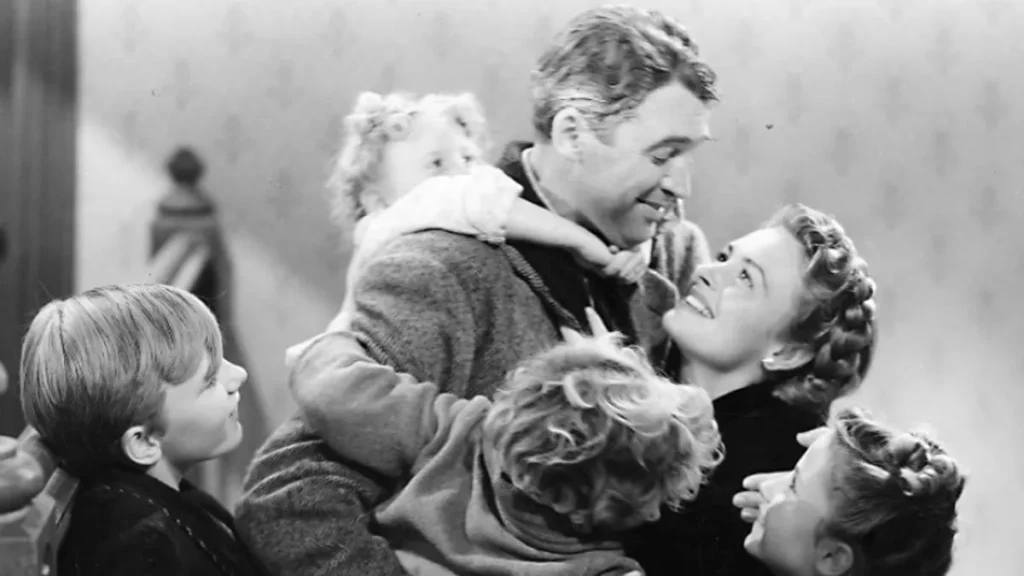
In It’s a Wonderful Life, James Stewart delivers one of the most heartfelt performances of his career as George Bailey, a man whose dreams have slowly been buried under the weight of duty, business struggles, and personal sacrifice.
On a cold Christmas Eve, overwhelmed and hopeless, George contemplates ending his life — believing the world would be better off without him.
But fate has other plans. Through the intervention of a kind-hearted guardian angel, George is shown what life would be like if he had never existed — and in that moment, he realizes how deeply he’s touched the lives of others.
It’s a timeless story of love, family, and the quiet heroism found in everyday life.
Was It Nominated?
Yes — It’s a Wonderful Life received five Oscar nominations, including Best Picture and Best Director. Yet, despite its emotional depth and enduring legacy, it didn’t win a single award.
At the time, the film was modestly received, but over the years it has become one of the most beloved movies ever made, cherished as an annual holiday classic around the world.
What It Should’ve Won:
If any performance deserved Best Actor, it was James Stewart’s. His portrayal of George Bailey is raw, human, and profoundly moving — a masterclass in vulnerability and emotional truth.
Stewart makes you feel every ounce of despair, hope, and redemption, turning a simple small-town story into something universal.
It’s a Wonderful Life didn’t just deserve Oscars — it deserved to define them. Today, it stands not only as one of Stewart’s greatest works but as one of cinema’s purest celebrations of what truly makes life worth living.
24. Mean Streets (1973)
The Movie:
In It’s a Wonderful Life, James Stewart delivers one of the most heartfelt and enduring performances of his legendary career as George Bailey — an ordinary man burdened by extraordinary expectations.
Over the years, George’s dreams of adventure and success slowly fade beneath the weight of duty, family responsibility, and financial struggle. On one fateful Christmas Eve, overwhelmed by despair, he begins to believe the world would be better off without him.
But destiny intervenes. A gentle, well-meaning guardian angel appears to show George the truth — what life would look like if he had never existed. What unfolds is a profoundly moving journey of self-discovery, reminding us that even the quietest lives can have the loudest impact. It’s a timeless story about love, community, and the invisible ways we shape the world around us.
Was It Nominated?
Yes — It’s a Wonderful Life earned five Oscar nominations, including Best Picture and Best Director. Yet, astonishingly, it walked away empty-handed. When it first premiered, the film didn’t make the splash it deserved, but time has been its greatest reward. Decades later, it’s celebrated as one of the most beloved films in cinema history, revisited every Christmas as a symbol of hope and human kindness.
What It Should’ve Won:
If there was ever a performance worthy of Best Actor, it was James Stewart’s portrayal of George Bailey. His performance is pure authenticity — raw, vulnerable, and overflowing with humanity. Stewart doesn’t just act; he invites you into George’s soul, making you feel every flicker of doubt, pain, and gratitude as if it were your own.
It’s a Wonderful Life didn’t just miss out on Oscars — it transcended them. Today, it stands not only as one of Stewart’s defining roles but as a shining reminder that the greatest rewards in life aren’t golden statues, but the love and lives we touch along the way.
23. Miller’s Crossing (1990)
The Movie:
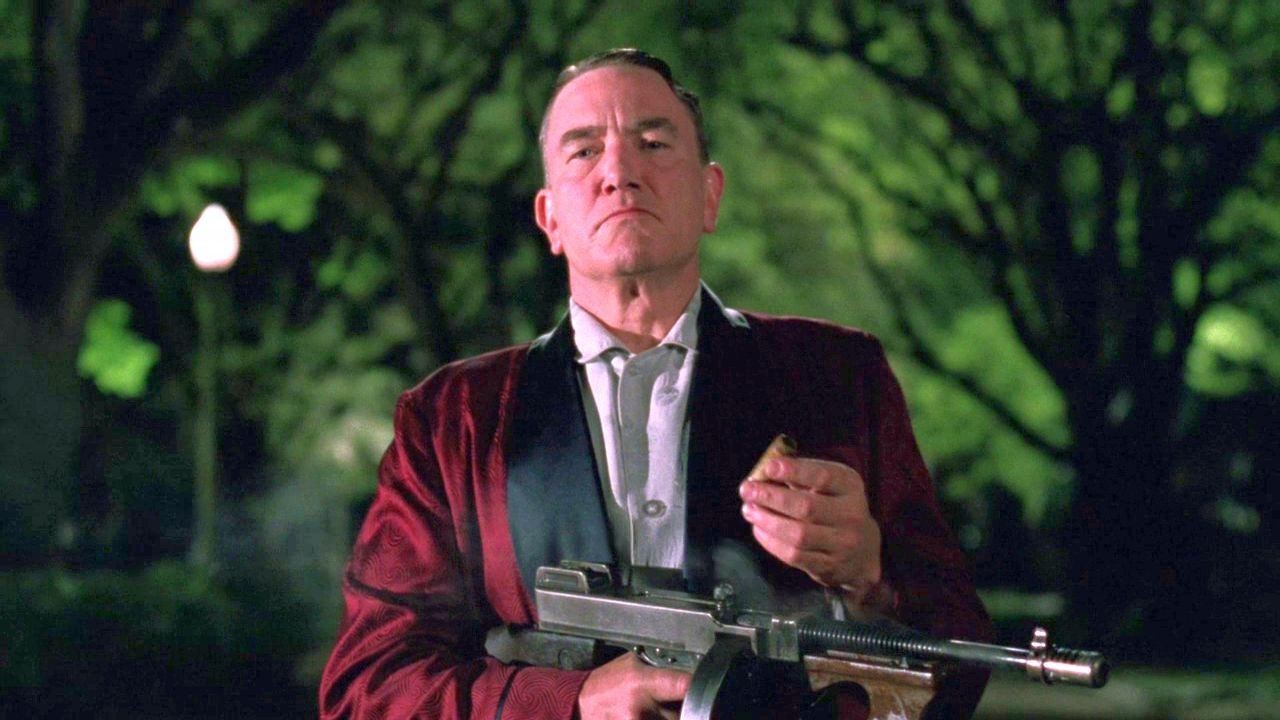
Set in the gritty Prohibition era, Miller’s Crossing is a stylish and complex crime thriller from the brilliant minds of the Coen brothers.
The story follows Tom Reagan (played masterfully by Gabriel Byrne), a sharp and morally conflicted advisor caught between two rival gangs fighting for control of the city.
As loyalties blur and betrayals unfold, Tom finds himself navigating a world ruled by power, greed, and shifting alliances.
Every scene drips with tension and atmosphere — smoky rooms, whispered threats, and a haunting jazz score that perfectly captures the mood of a city on the edge.
Was It Even Nominated?
Incredibly, no. Miller’s Crossing didn’t receive a single Oscar nomination. It’s baffling in hindsight, especially considering the Academy’s later admiration for the Coen brothers’ work on films like Fargo and No Country for Old Men.
At the time, though, the film was seen as too dark, too complex — a gem that audiences and critics only truly appreciated years later.
What It Should’ve Won:
At the very least, Barry Sonnenfeld’s cinematography deserved serious recognition. His use of shadow, color, and framing turned every shot into a work of art, blending noir elegance with brutal realism.
And then there’s the screenplay — razor-sharp, poetic, and filled with the dry wit and moral ambiguity that would become the Coens’ signature.
Had the Academy looked closer, Miller’s Crossing could easily have taken home the award for Best Original Screenplay, proving that great storytelling doesn’t always need flash — just brilliance and conviction.
22. Once Upon a Time in America (1984)
The Movie:
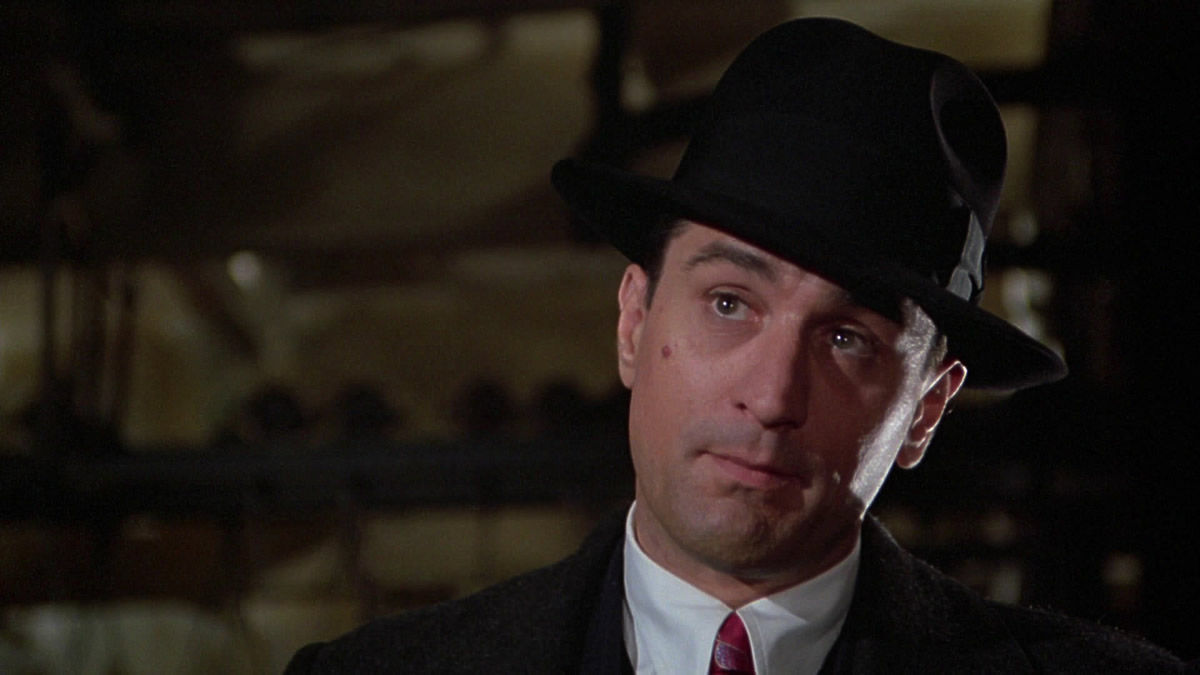
Sergio Leone’s Once Upon a Time in America is not just a gangster film — it’s a sweeping saga of friendship, betrayal, and the relentless passage of time.
Set against the backdrop of New York’s Prohibition era, the story follows a group of young gangsters as they claw their way up from the slums to the top of the underworld, only to watch their empire — and their humanity — crumble.
From the hauntingly beautiful score by Ennio Morricone to Leone’s meticulous direction, every frame feels like a memory — grand, tragic, and soaked in nostalgia.
The film isn’t just about crime; it’s about regret, lost youth, and the price of ambition.
Was It Nominated?
Astonishingly, no.
Despite its monumental scale and artistic brilliance, Once Upon a Time in America received zero Oscar nominations. Its troubled post-production and heavily edited U.S. release may have clouded early opinions, but that hardly excuses the Academy’s complete disregard for such a masterwork.
In time, critics and audiences recognized what the Oscars did not — that Leone had crafted one of the greatest epics ever made.
What It Should’ve Won:
Honestly? Almost everything. Best Picture, Best Director, Best Actor, Cinematography, Costume Design — this film had it all. The performances are electric, the visuals are breathtaking, and Morricone’s score alone could move mountains.
Once Upon a Time in America deserved to sweep the Oscars, but instead, it remains one of the Academy’s most infamous oversights — a towering masterpiece that found immortality not through awards, but through time itself.
21. Marvin’s Room (1996)
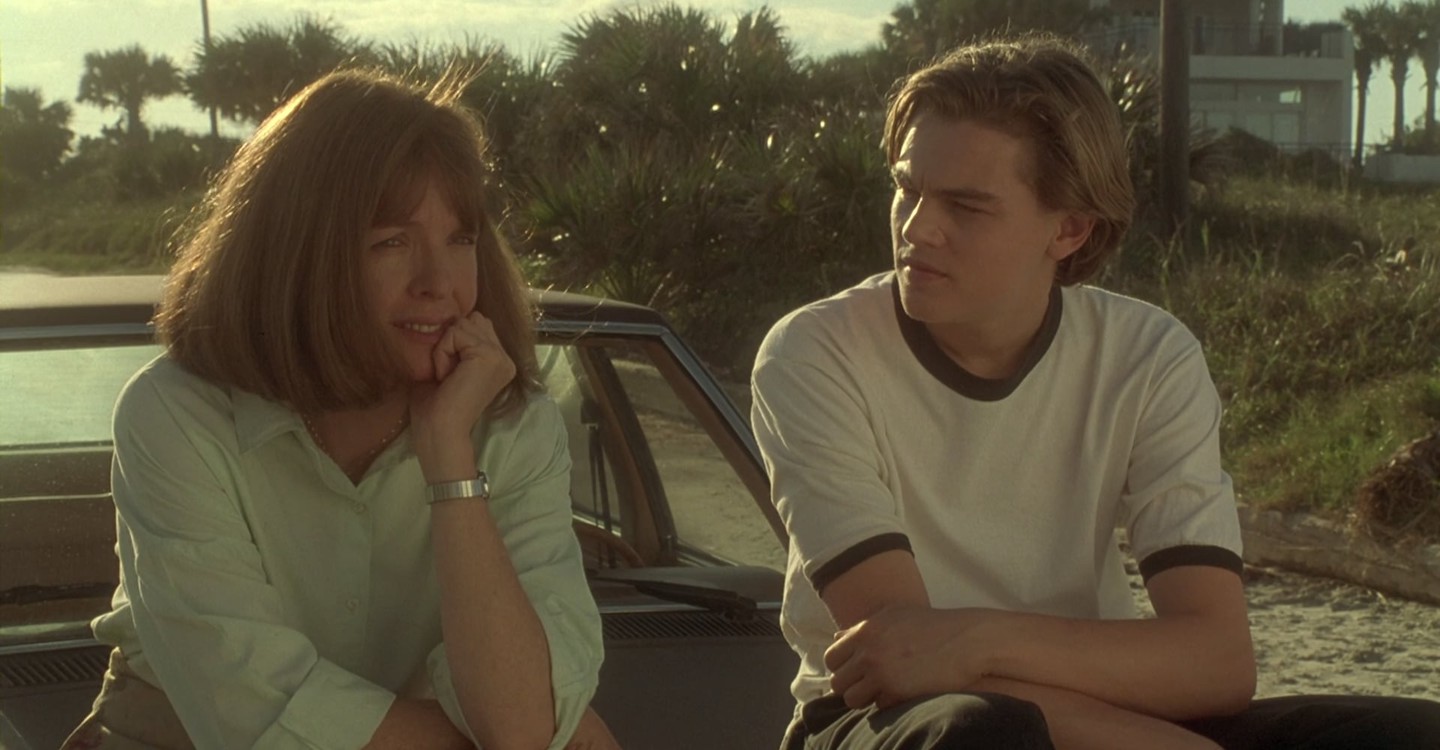
The Movie:
In Marvin’s Room, Diane Keaton delivers one of her most touching performances as Bessie, a woman whose quiet strength is tested when she learns she has leukemia.
Faced with her mortality, she reaches out to her estranged sister Lee (played by Meryl Streep) in hopes of rebuilding the fragile bonds that time and distance have eroded.
What follows is a deeply moving exploration of family, forgiveness, and the complicated ways love expresses itself — especially when words fall short.
The film also features a young Leonardo DiCaprio, whose raw, emotionally charged performance adds another layer of depth to this intimate story of reconciliation and redemption.
Was It Nominated?
Marvin’s Room earned Diane Keaton a well-deserved nomination for Best Actress, but that was the extent of its Oscar recognition.
Despite its powerhouse performances and deeply affecting story, the Academy overlooked the rest of the cast and crew — a puzzling decision considering the emotional weight and artistry packed into this quiet gem.
What It Should’ve Won:
Frankly, there’s no shortage of deserving candidates. Keaton, Streep, and DiCaprio all deliver performances that feel lived-in and painfully real — a rare harmony of talent and truth.
And Scott McPherson’s screenplay adaptation deserved far more attention; it’s emotionally rich without ever tipping into sentimentality, weaving heartbreak and hope together with remarkable restraint.
Marvin’s Room might not have taken home any golden statues, but it remains one of the most sincere and beautifully acted family dramas of its era — proof that some of the most powerful stories don’t shout; they whisper straight to the heart.
