
20. The Good, the Bad, and the Ugly (1966)
The Movie:
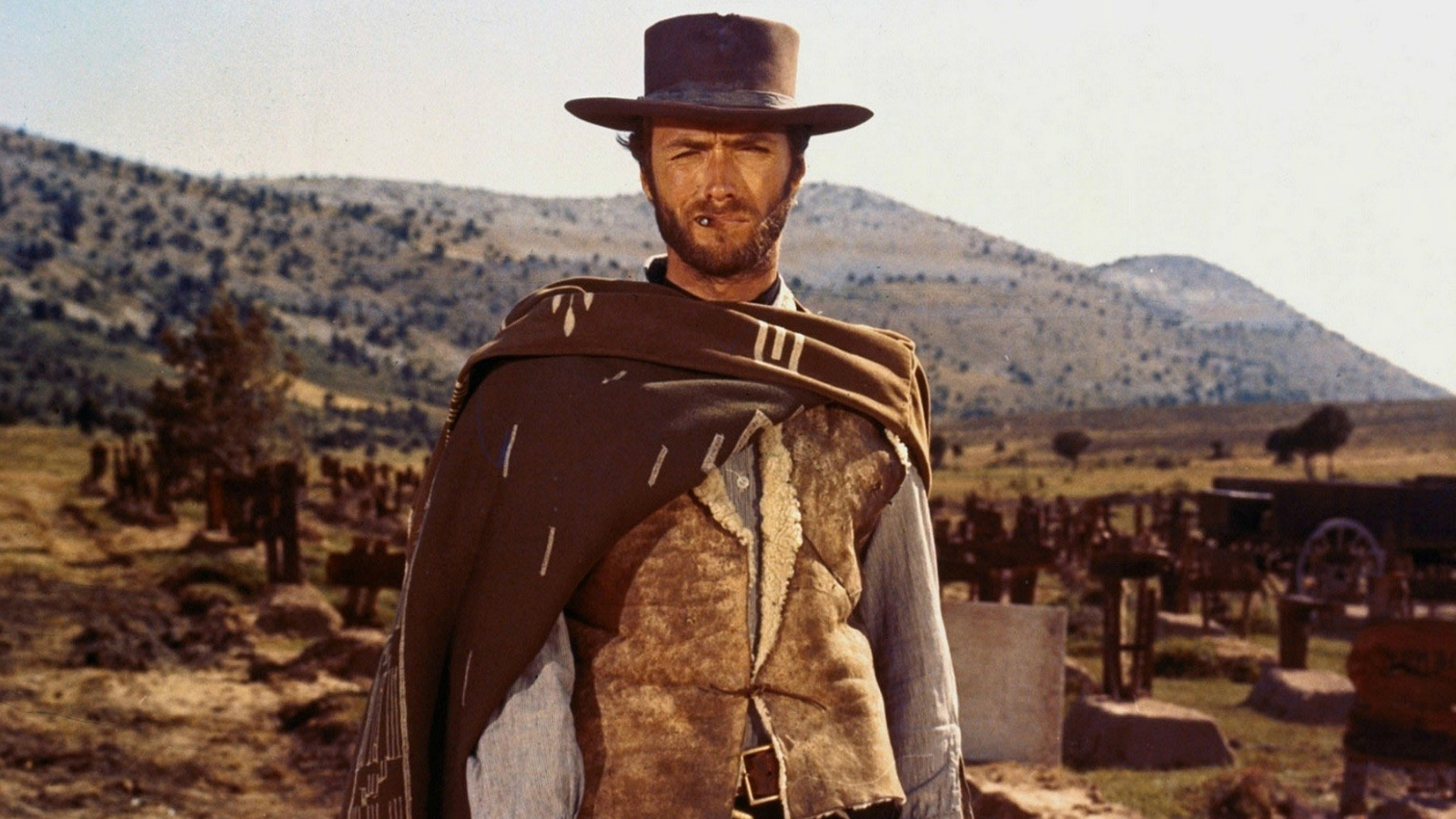
In The Good, the Bad and the Ugly, Clint Eastwood once again steps into the dusty boots of the nameless bounty hunter — calm, calculated, and deadly with a gun.
This time, he finds himself entangled in a brutal race for buried gold, facing off against two unforgettable rivals: Tuco, the wily bandit, and Angel Eyes, the cold-blooded killer.
Set against the backdrop of the American Civil War, Sergio Leone crafts not just a Western, but an opera of violence and greed.
Every stare, every gunshot, every moment of silence builds toward one of cinema’s most legendary finales — a three-way duel that remains a masterclass in tension and style.
Was It Nominated?
Surprisingly, not at all. When it first hit theaters, critics were divided — many dismissed its violence and gritty realism. As a result, the Academy completely ignored it.
But over time, audiences and filmmakers recognized its genius. What was once criticized is now celebrated as a defining moment in film history.
What It Should’ve Won:
At the very least, The Good, the Bad and the Ugly deserved Best Picture or Best Director for Sergio Leone.
His visual storytelling, sweeping scope, and groundbreaking use of music and silence transformed the Western genre forever.
From Ennio Morricone’s haunting score to the breathtaking cinematography, every element of the film feels timeless.
Today, it’s not just a great Western — it’s a piece of cinematic mythology that continues to inspire directors, composers, and storytellers around the world.
19. Leon: The Professional (1994)
The Movie:
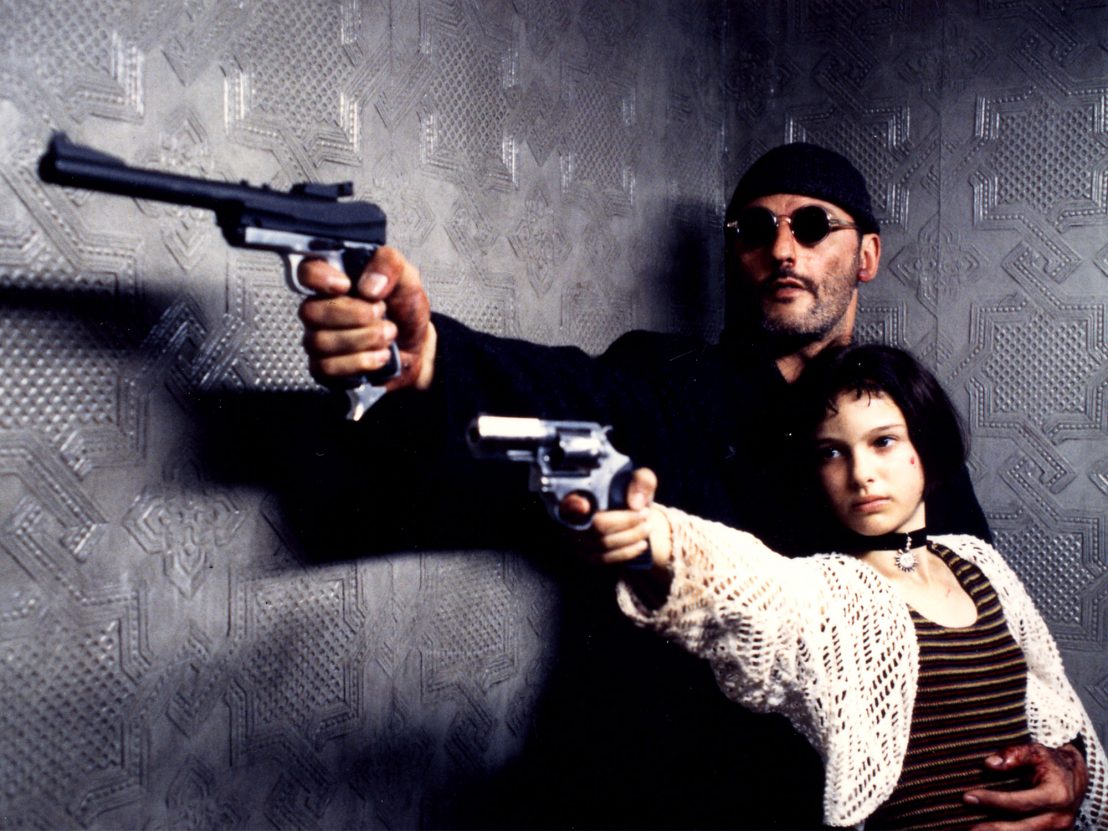
In Léon: The Professional, a young Mathilda (played by a then 12-year-old Natalie Portman) finds her world shattered when her entire family is murdered by corrupt DEA agents led by the deranged Norman Stansfield, portrayed with terrifying brilliance by Gary Oldman.
Seeking refuge, she’s reluctantly taken in by Léon (Jean Reno), a quiet, solitary hitman who lives by strict rules — until this unlikely bond forces him to rediscover his own humanity.
What follows is a gripping, unconventional story of love, revenge, and innocence set against the brutal underworld of New York City. Director Luc Besson balances moments of explosive violence with quiet tenderness, crafting a film that is as poetic as it is thrilling.
Was It Nominated?
Not a single nod. Being a French production — and a violent one at that — Léon: The Professional stood little chance with the Academy, which has historically favored safer, English-language dramas.
Still, over the years, the film’s reputation has only grown, becoming a cult classic adored for its raw emotion, striking visuals, and unforgettable performances.
What It Should’ve Won:
If justice had been served, Gary Oldman would have taken home the Best Supporting Actor award.
His portrayal of Stansfield — manic, unpredictable, and terrifyingly charismatic — remains one of cinema’s most mesmerizing villains. Each scene he’s in crackles with energy and madness, a performance so magnetic it practically burns through the screen.
Léon: The Professional may have been ignored by the Oscars, but its influence endures — inspiring filmmakers, launching Natalie Portman’s career, and reminding audiences that even the darkest stories can hold a strange, heartbreaking beauty.
18. Halloween (1978)
The Movie:
John Carpenter’s 1978 horror classic Halloween forever changed the landscape of cinema.
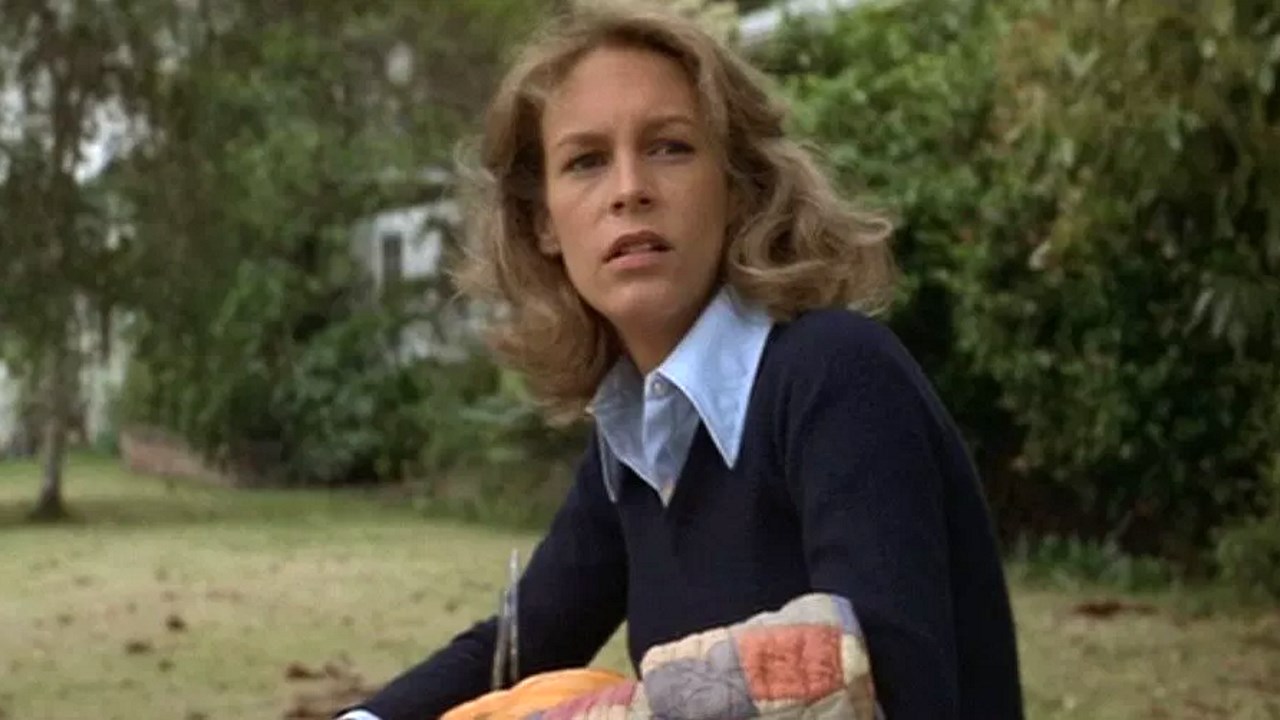
The film follows Laurie Strode (a breakout Jamie Lee Curtis) — an ordinary babysitter whose quiet suburban Halloween night turns into a nightmare when she’s hunted by the emotionless killer Michael Myers.
Carpenter’s tight direction, eerie cinematography, and that now-iconic piano score created not just scares, but an atmosphere of pure dread.
What makes Halloween so special isn’t just the body count — it’s the tension. Carpenter turns the safety of small-town America into something sinister.
Every creak, every shadow, every breath behind the mask feels designed to make your heart race.
Was It Nominated?
Not even close. The Academy, notorious for shunning horror films, completely ignored Halloween. No nod for direction, sound, score — nothing.
At the time, horror was dismissed as cheap entertainment. Today, Halloween is celebrated as the film that redefined the slasher genre and paved the way for countless imitators.
What It Should’ve Won:
Carpenter deserved Best Director for his masterful control of suspense and atmosphere. He crafted fear out of simplicity — a white mask, a slow walk, and a haunting melody — proving that terror doesn’t need big budgets or elaborate effects.
Halloween remains a lesson in how to make audiences hold their breath with nothing more than timing, silence, and imagination.
17. What’s Eating Gilbert Grape (1993)
The Movie:
What’s Eating Gilbert Grape is a tender, small-town drama that explores love, responsibility, and the quiet weight of family duty.
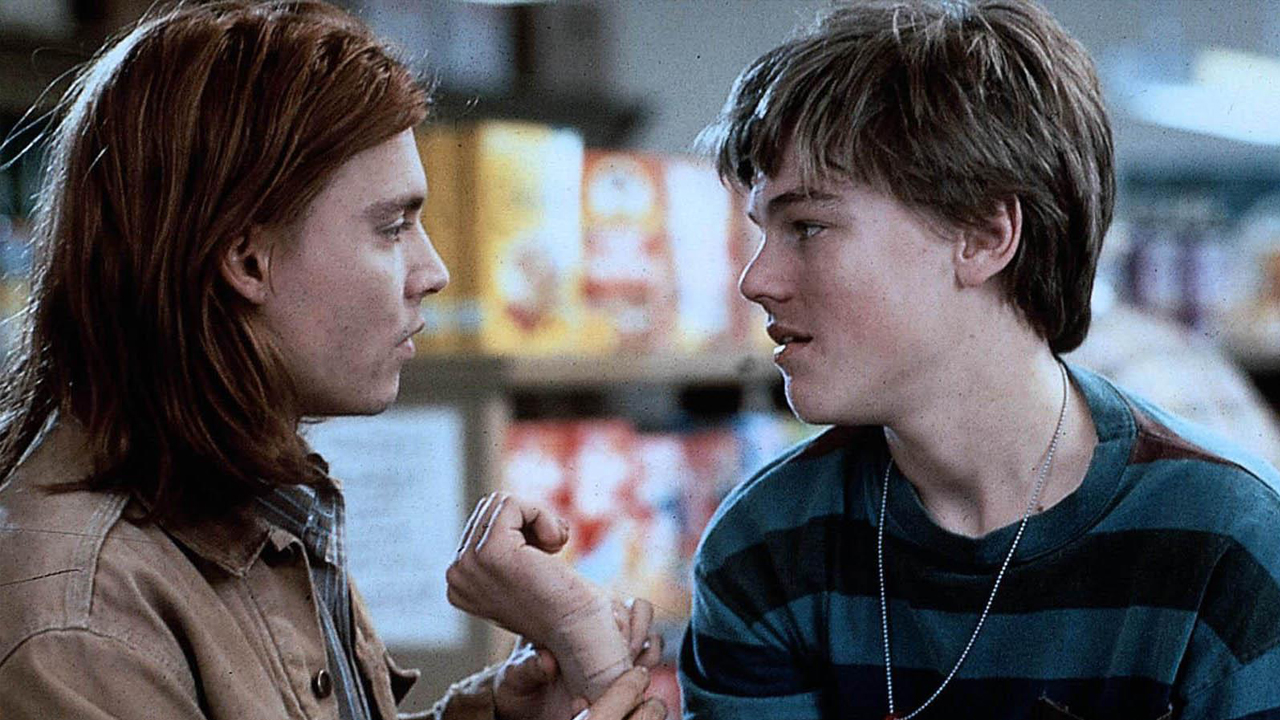
Johnny Depp stars as Gilbert, a young man trapped between his longing for a better life and his obligation to care for his mentally challenged brother Arnie (a young Leonardo DiCaprio) and their fragile mother.
Set in a fading Iowa town, the film captures the beauty and sadness of everyday life — a story about people holding each other together even when everything else seems to fall apart.
Was It Nominated?
Yes — Leonardo DiCaprio earned a well-deserved Best Supporting Actor nomination for his astonishingly authentic performance as Arnie.
His portrayal, full of warmth and innocence, was so convincing that many viewers at the time didn’t realize he was acting at all. However, despite critical acclaim, the film received no other nominations.
What It Should’ve Won:
DiCaprio should have won that Oscar. His performance wasn’t just impressive for a young actor — it was transformative.
While Tommy Lee Jones took home the award for The Fugitive, DiCaprio delivered something far deeper: a portrait of vulnerability and joy that feels timeless. Depp, too, gave one of his most understated and moving performances, and the film as a whole deserved recognition for its compassionate storytelling and emotional realism.
What’s Eating Gilbert Grape remains a quiet masterpiece — the kind of film the Oscars often overlook, but audiences never forget.
16. The Shining (1980)
The Movie:
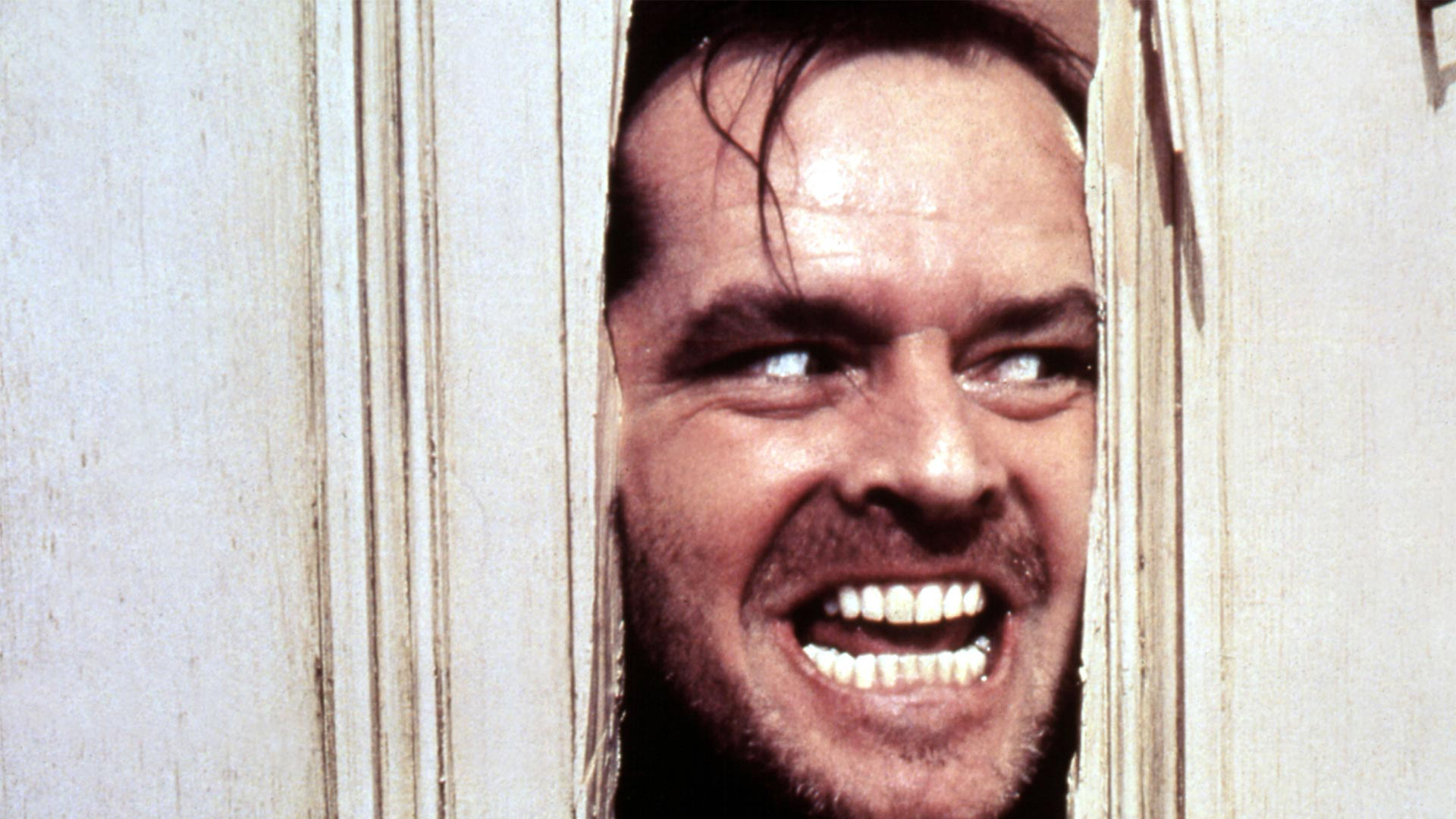
The Shining is Stanley Kubrick’s chilling adaptation of Stephen King’s novel — a haunting psychological descent into madness. Jack Nicholson stars as Jack Torrance, a writer and father who takes a winter caretaker job at the remote Overlook Hotel.
As the snow traps him and his family inside, Jack’s mind begins to unravel, and the ghosts of the hotel slowly tighten their grip. The result is a hypnotic, terrifying journey into isolation, obsession, and insanity — a film as visually stunning as it is psychologically disturbing.
Was It Even Nominated?
Not a single nomination. Despite its masterful direction, unforgettable imagery, and Nicholson’s career-defining performance, The Shining was completely ignored by the Academy.
In fact, critics at the time were divided — it took years for the film to be recognized as one of the greatest horror movies ever made.
What It Should’ve Won:
Best Actor, without question. Nicholson’s descent from weary writer to deranged madman is both terrifying and mesmerizing.
His performance has become iconic — from the maniacal grin to the infamous “Here’s Johnny!” scene. That said, it was also the year Robert De Niro delivered Raging Bull — meaning it would’ve been one of the most legendary Oscar battles in history.
The Shining may not have earned Academy gold, but its legacy has long outlived the films that did. It remains one of cinema’s most haunting and perfectly crafted nightmares.
