
15. Psycho (1960)
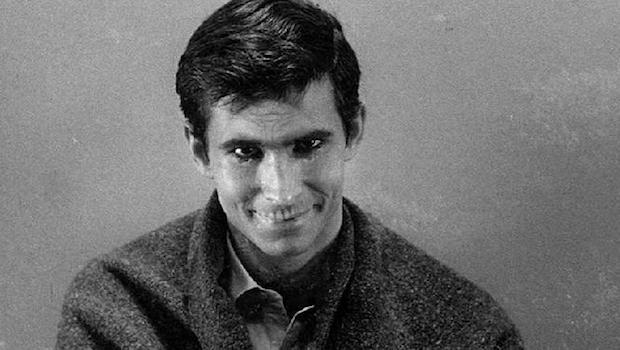
The Movie:
Psycho isn’t just a horror film — it’s a turning point in cinema itself. Directed by Alfred Hitchcock, the master of suspense, it follows Norman Bates (played with chilling precision by Anthony Perkins), a seemingly polite motel owner with a terrifying secret.
When Marion Crane (the brilliant Janet Leigh) checks in after stealing a sum of money, what begins as a simple escape spirals into one of the most shocking and unforgettable scenes in movie history — that infamous shower sequence that changed thrillers forever.
Was It Nominated?
Hitchcock received yet another Best Director nomination but, once again, went home empty-handed.
Janet Leigh earned a Best Supporting Actress nod for her unforgettable performance — but neither of them won. It’s almost poetic how Psycho, the movie that redefined horror and suspense, was overlooked by the very system it revolutionized.
What It Should’ve Won:
Leigh absolutely deserved the Oscar. Her portrayal of Marion Crane gave layers to a character that could’ve easily been dismissed — vulnerable yet bold, guilty yet sympathetic.
And Hitchcock? He should’ve walked away with Best Director for crafting a film so bold, daring, and ahead of its time.
Psycho may have left the Oscars empty-handed, but it went on to terrify, inspire, and influence generations of filmmakers. Its legacy is the ultimate revenge — immortality through fear.
14. In the Mood for Love (2000)
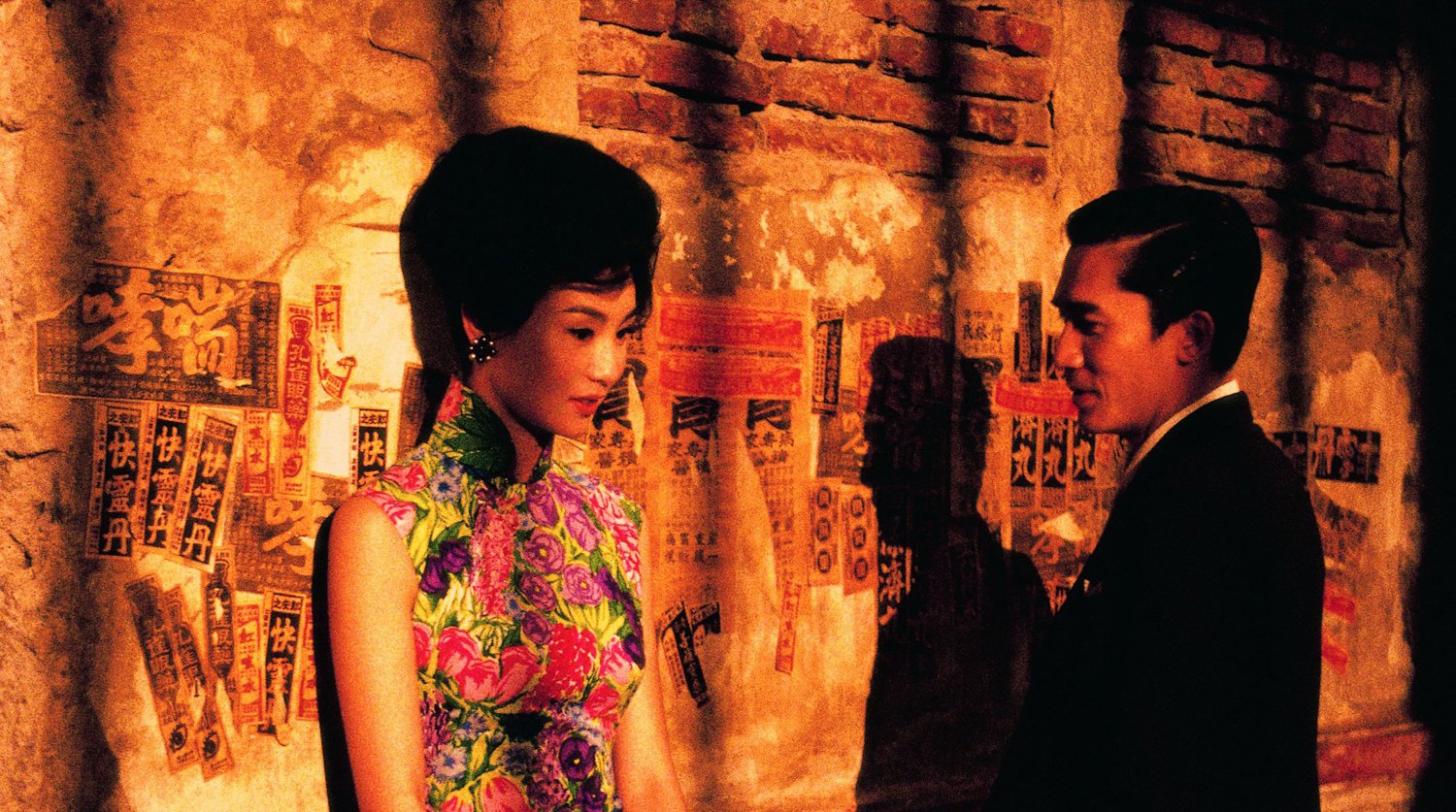
The Movie:
Few films have captured the ache of unspoken love as delicately as Wong Kar-wai’s In the Mood for Love. Set in 1960s Hong Kong, it tells the story of two neighbors — played with quiet brilliance by Tony Leung and Maggie Cheung — who slowly realize that their spouses are having an affair.
Bound by heartbreak yet restrained by dignity, the two form a connection so tender and restrained that every glance, every word left unsaid, feels monumental.
It’s a symphony of longing — framed through Christopher Doyle’s mesmerizing cinematography, where slow-motion shots, narrow corridors, and lingering silences speak louder than dialogue.
Every detail — from the cheongsam dresses to the haunting score — makes In the Mood for Love a masterpiece of emotional precision.
Was It Nominated?
Shockingly, nothing. Not a single nomination. Despite its universal acclaim and profound emotional depth, In the Mood for Love was completely ignored by the Academy.
Interestingly, filmmaker Sofia Coppola later credited Wong Kar-wai as a key influence when she accepted her Oscar for Lost in Translation — even its iconic opening shot was inspired by this film.
What It Should’ve Won:
At the very least, Best Foreign Language Film. It could have stood proudly beside (or even above) Pedro Almodóvar’s All About My Mother.
Wong Kar-wai’s poetic direction, Leung and Cheung’s restrained yet devastating performances, and the film’s hypnotic visual rhythm all deserved recognition.
In the Mood for Love doesn’t just tell a story — it feels like one. It lingers long after the credits roll, like perfume on skin or a memory you can’t quite forget.
13. Stand by Me (1986)
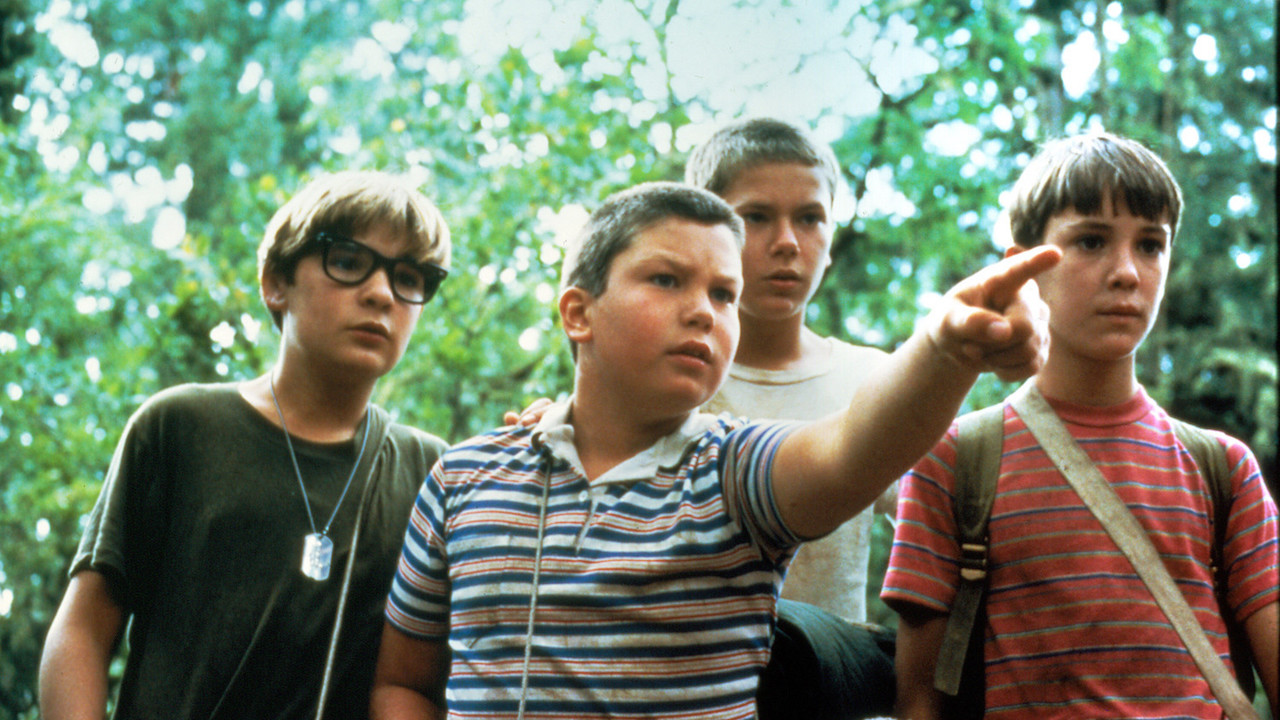
The Movie:
Based on Stephen King’s novella The Body, Stand by Me is a coming-of-age gem that balances childhood innocence with the bittersweet weight of growing up.
Directed by Rob Reiner, it follows four small-town boys — Gordie, Chris, Teddy, and Vern — as they set out on a journey to find the body of a missing boy.
What begins as an adventure quickly becomes a profound exploration of friendship, fear, and the loss of innocence.
The film captures that fleeting moment between boyhood and adolescence — when the world still feels magical, yet heartbreak is waiting just around the corner.
It’s nostalgic without ever being sentimental, filled with humor, tension, and genuine emotion. And at its heart is a remarkable young cast, whose performances carry the kind of honesty that adult actors often struggle to reach.
Was It Even Nominated?
Stand by Me received just one Oscar nomination — for Best Adapted Screenplay (Raynold Gideon and Bruce A. Evans).
Beyond that, the Academy looked the other way, failing to recognize the incredible direction, the tender storytelling, and the breathtaking performances of its young leads.
What It Should’ve Won:
At the very least, Best Adapted Screenplay. The script’s ability to turn a simple story about four boys and a dead body into a deeply human journey is nothing short of masterful.
But the real heartbreak is the lack of recognition for River Phoenix. His portrayal of Chris Chambers — wise beyond his years, yet achingly vulnerable — is pure Oscar material.
Stand by Me isn’t just a film; it’s a memory — a timeless reflection on the friendships that shape us and the moments that stay with us long after childhood fades.
12. Memento (2000)
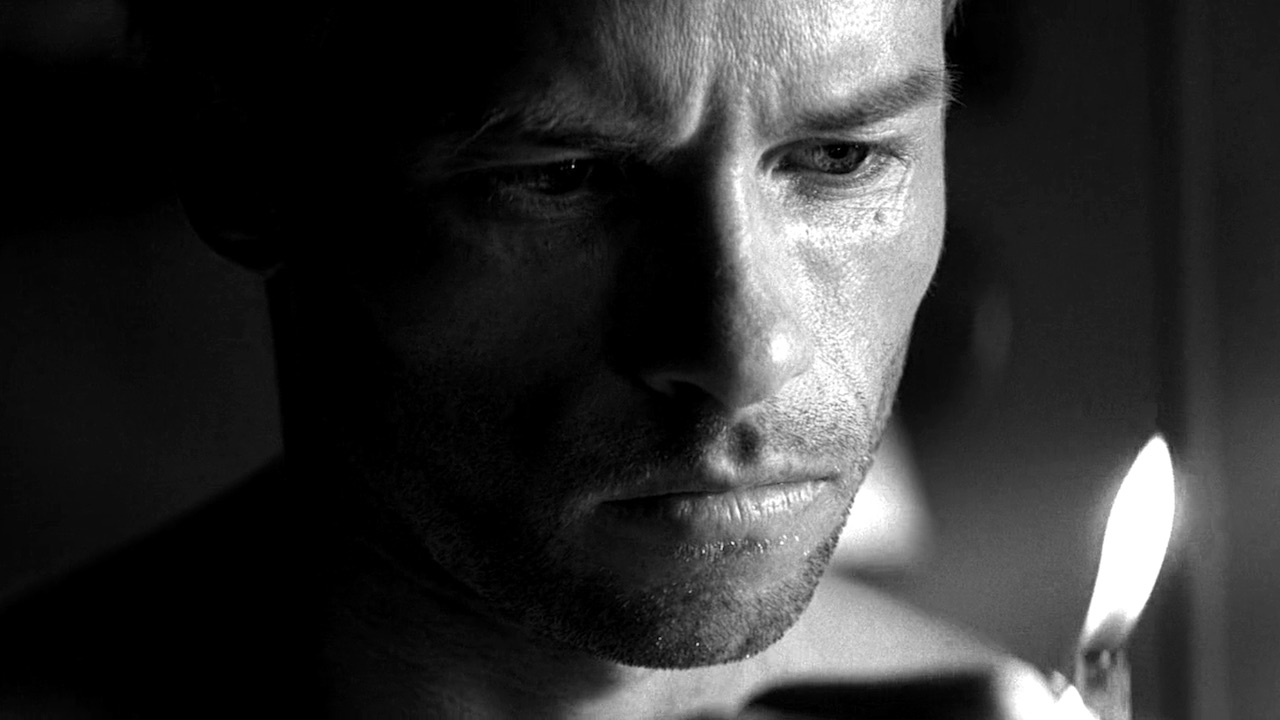
The Movie:
Before Inception and The Dark Knight, Christopher Nolan made Memento — a mind-bending neo-noir thriller that turned cinematic storytelling on its head.
The film follows Guy Pearce as Leonard Shelby, a man suffering from short-term memory loss who’s on a relentless mission to find his wife’s killer.
The catch? He can’t form new memories, so he relies on notes, Polaroids, and tattoos to piece together the truth — or what he thinks is the truth.
Told in a brilliant reverse chronology, Memento pulls you into Leonard’s fractured mind, forcing you to experience his confusion and paranoia firsthand.
It’s dark, daring, and intellectually gripping — the kind of movie that leaves you questioning everything, even after the credits roll.
Was It Even Nominated?
Surprisingly, it only received two Oscar nominations: Best Film Editing and Best Original Screenplay. That’s it.
For a film that reinvented narrative structure and became a modern classic, this recognition feels almost tokenistic. Nolan’s razor-sharp storytelling and Pearce’s haunting performance deserved far more attention.
What It Should’ve Won:
Best Film Editing, without a doubt. The way Memento plays with time, sequencing, and memory shouldn’t work — yet it’s flawlessly coherent and thrilling from start to finish. It’s a masterclass in structure, precision, and payoff.
Memento didn’t just tell a story; it redefined how stories could be told. And in doing so, it cemented Christopher Nolan as one of the most visionary directors of his generation.
11. Heat (1995)
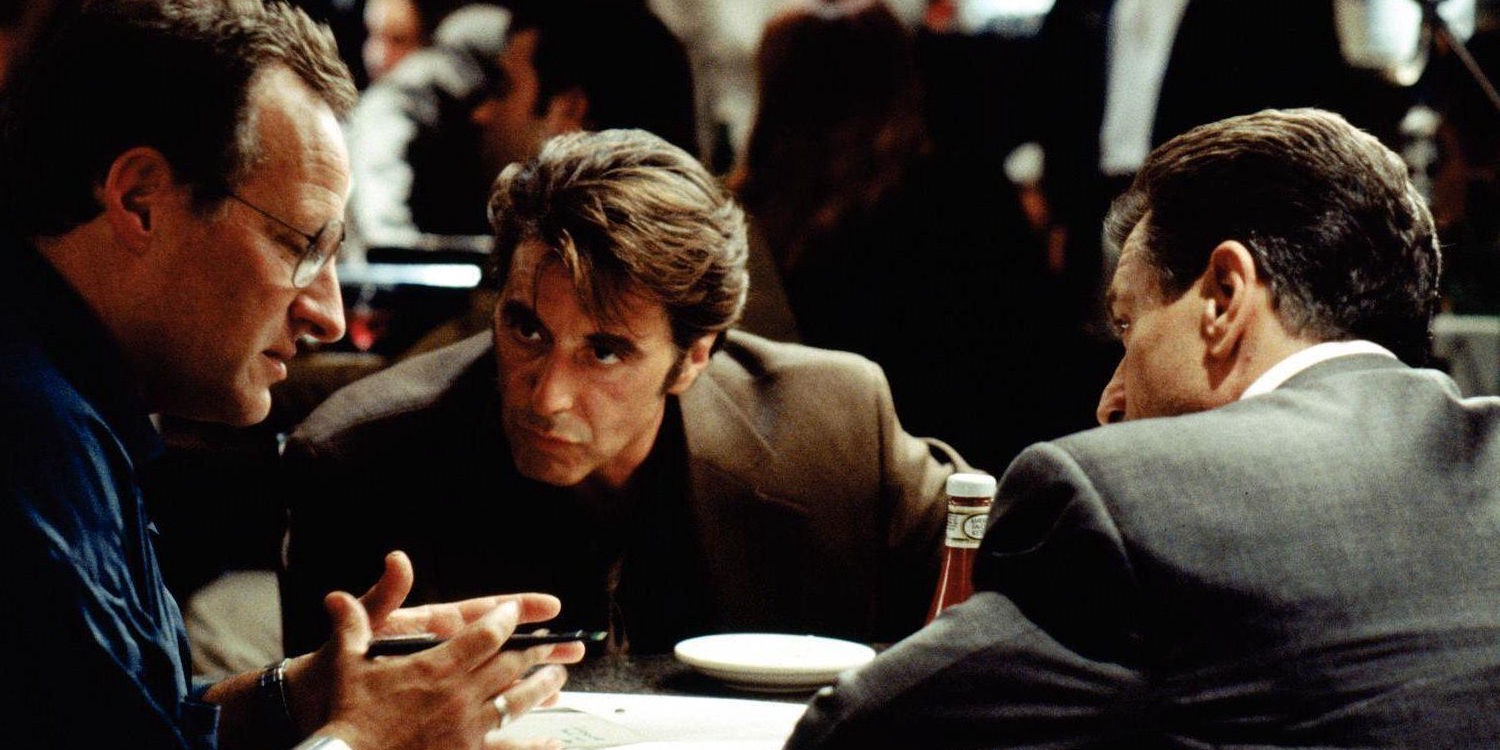
The Movie:
Few crime dramas hit as hard as Michael Mann’s Heat. This 1995 epic pits two titans of cinema — Robert De Niro and Al Pacino — against each other in a masterfully crafted game of cat and mouse.
De Niro plays Neil McCauley, a disciplined professional thief; Pacino is Vincent Hanna, the relentless LAPD detective determined to bring him down.
Their lives collide in a high-stakes battle between obsession and honor, leading to one of the most electrifying face-offs ever captured on film.
Heat isn’t just a cops-and-robbers story — it’s a sprawling exploration of loneliness, morality, and the thin line between order and chaos.
The tension is palpable, the dialogue razor-sharp, and every frame soaked in Mann’s signature neon-lit melancholy. It’s the kind of movie that reminds you why cinema exists — to make crime feel poetic and tragedy feel inevitable.
Was It Even Nominated?
Not a single Oscar nomination. Nothing.
The Academy turned a blind eye to one of the greatest crime films ever made — a movie that redefined the genre and became a reference point for every heist thriller that followed.
It’s an omission that still feels baffling decades later.
What It Should’ve Won:
Val Kilmer delivered one of his most underrated performances as Chris Shiherlis, blending charm, intensity, and vulnerability — easily worthy of Best Supporting Actor.
And Dante Spinotti’s cinematography? Breathtaking.
His cold blue palette and precise lighting gave Heat its unforgettable look, one that filmmakers have tried to emulate ever since.
Heat didn’t need the Oscars to make history — it became one of those rare films that critics, directors, and audiences all agree is timeless.
A true cinematic powerhouse that the Academy will forever regret overlooking.
