
10. The Wolf of Wall Street (2013)
The Movie:
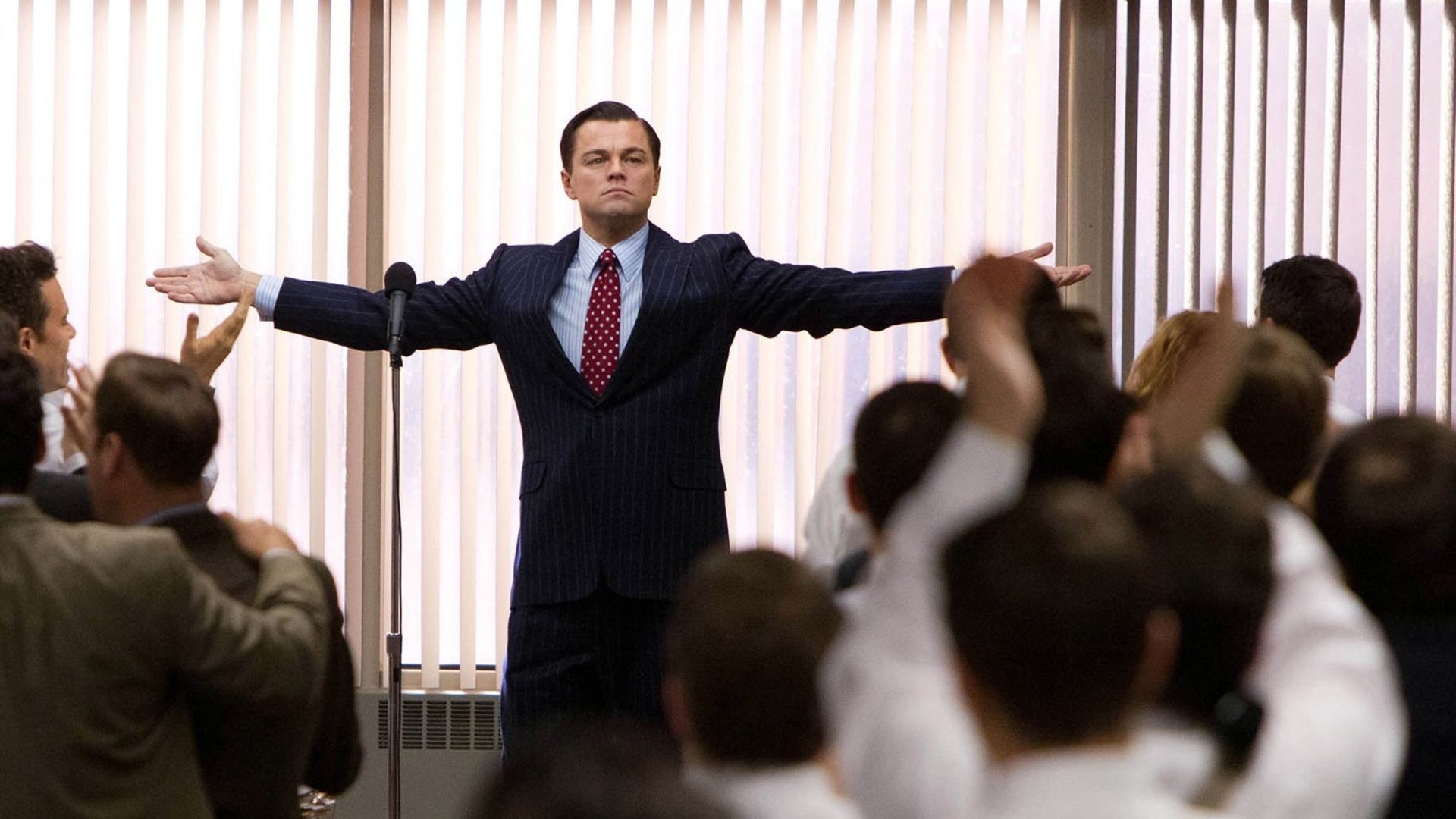
The Wolf of Wall Street is Martin Scorsese unleashed — a chaotic, darkly hilarious, and endlessly rewatchable biopic that captures the excess and madness of 1990s Wall Street.
Leonardo DiCaprio stars as Jordan Belfort, a fast-talking, morally bankrupt stockbroker who rises from penny stocks to private jets, yachts, and more illegal substances than one could count.
The film is three hours of pure adrenaline — filled with insane parties, impossible money, and a shocking lack of self-control.
But beneath all the chaos lies Scorsese’s genius: a biting satire on greed and the American dream gone rogue.
DiCaprio’s performance is pure electricity — he rants, crawls, charms, and terrifies all at once, delivering one of the most physically demanding and hypnotic performances of his career.
Was It Nominated?
Yes, The Wolf of Wall Street scored five nominations, including Best Picture, Best Director (Martin Scorsese), and Best Actor (Leonardo DiCaprio).
Despite critical acclaim and box office success, it walked away empty-handed — a true Hollywood head-scratcher.
What It Should’ve Won:
While Matthew McConaughey gave a heartfelt performance in Dallas Buyers Club, DiCaprio’s turn as Belfort was simply next level.
He became the character — a man so charismatic you hate yourself for enjoying his downfall. That wild Quaaludes sequence alone deserved an Oscar by itself.
Scorsese should’ve also snagged Best Director, crafting a film that’s equal parts comedy, tragedy, and cautionary tale.
The Wolf of Wall Street didn’t just portray corruption — it seduced audiences with it, daring us to laugh before showing us the consequences.
Decadent, dazzling, and dangerously funny — this is the movie the Academy should’ve rewarded, but didn’t have the guts to.
9. Reservoir Dogs (1992)
The Movie:
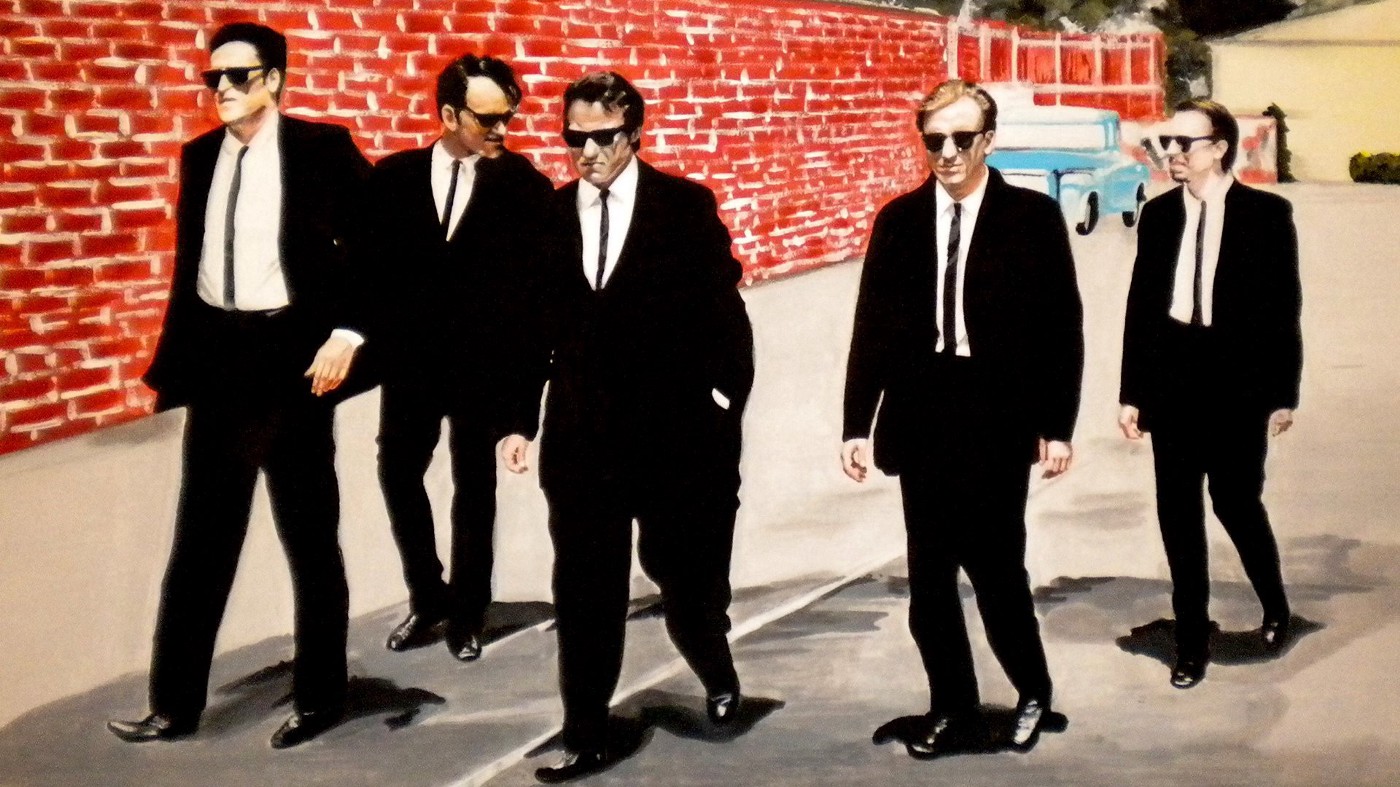
Before Quentin Tarantino became a household name, he burst onto the scene with Reservoir Dogs — a razor-sharp, blood-soaked thriller that redefined indie cinema.
The story follows a group of criminals after a jewel heist goes disastrously wrong. What unfolds isn’t about the robbery itself, but the paranoia, betrayal, and chaos that follow.
It’s brutal, claustrophobic, and brilliantly written — with Tarantino’s signature mix of pop-culture banter, nonlinear storytelling, and explosive violence.
The infamous “Stuck in the Middle with You” torture scene became an instant classic (and nightmare fuel), proving that even on a shoestring budget, Tarantino could create cinematic magic.
Was It Nominated?
Not a single nomination. The Academy completely ignored Reservoir Dogs, even though it was one of the most original and influential debuts of the ’90s. Thankfully, Tarantino’s follow-up, Pulp Fiction, earned him the recognition he deserved two years later.
What It Should’ve Won:
Best Original Screenplay, without question. Tarantino’s dialogue crackles with wit and tension, every line dripping with personality. His ability to make criminals sound like philosophers in cheap suits was revolutionary.
Reservoir Dogs may have walked away empty-handed, but it set off a cinematic explosion — one that changed how filmmakers wrote, shot, and talked about movies forever.
8. Punch-Drunk Love (2002)
The Movie:
Before Uncut Gems reminded the world of Adam Sandler’s dramatic potential, there was Punch-Drunk Love.
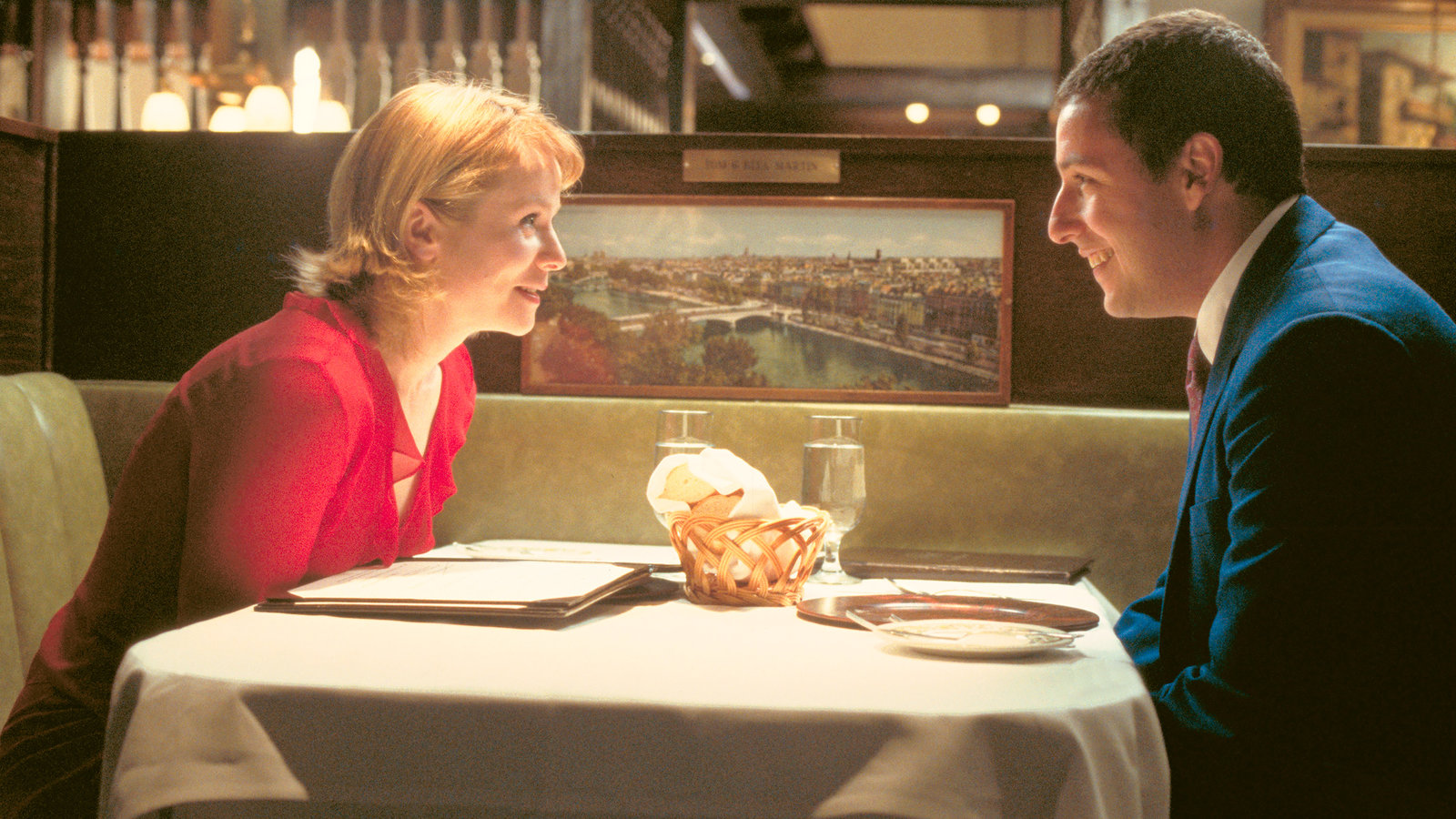
Directed by Paul Thomas Anderson, this offbeat romantic dramedy follows Barry Egan — a socially awkward, emotionally fragile novelty supplier constantly belittled by his seven sisters.
Barry’s life feels small, repetitive, and painfully lonely… until a chance encounter with a woman named Lena (Emily Watson) changes everything.
Anderson takes a simple love story and infuses it with raw humanity and dreamlike surrealism — bursts of color, disorienting sound design, and moments of pure tenderness.
The film walks a tightrope between comedy and melancholy, showcasing Sandler in a way audiences had never seen before: vulnerable, unpredictable, and utterly human.
Was It Nominated?
Nothing. Not a single nomination. Despite being one of Paul Thomas Anderson’s most daring and personal works, Punch-Drunk Love was completely ignored by the Academy.
Its delicate balance of absurdity and sincerity didn’t fit neatly into Hollywood’s categories — so they simply looked the other way.
What It Should’ve Won:
Best Actor, hands down. Adam Sandler delivers a career-defining performance — stripped of gimmicks, layered with quiet rage and aching sincerity.
He proves that behind his trademark humor lies a deep reservoir of emotion. And let’s not forget Philip Seymour Hoffman, whose brief but explosive role as a manipulative phone-hot operator could easily have earned him Best Supporting Actor.
Punch-Drunk Love is the kind of film that sneaks up on you — strange, beautiful, and unforgettable. It’s proof that even the most unlikely actors can surprise us when given the right story, and that sometimes, love really is the strangest thing of all.
7. Edward Scissorhands (1990)
The Movie:
Edward Scissorhands is Tim Burton at his most poetic — a darkly enchanting fairy tale about isolation, acceptance, and the beauty of imperfection.
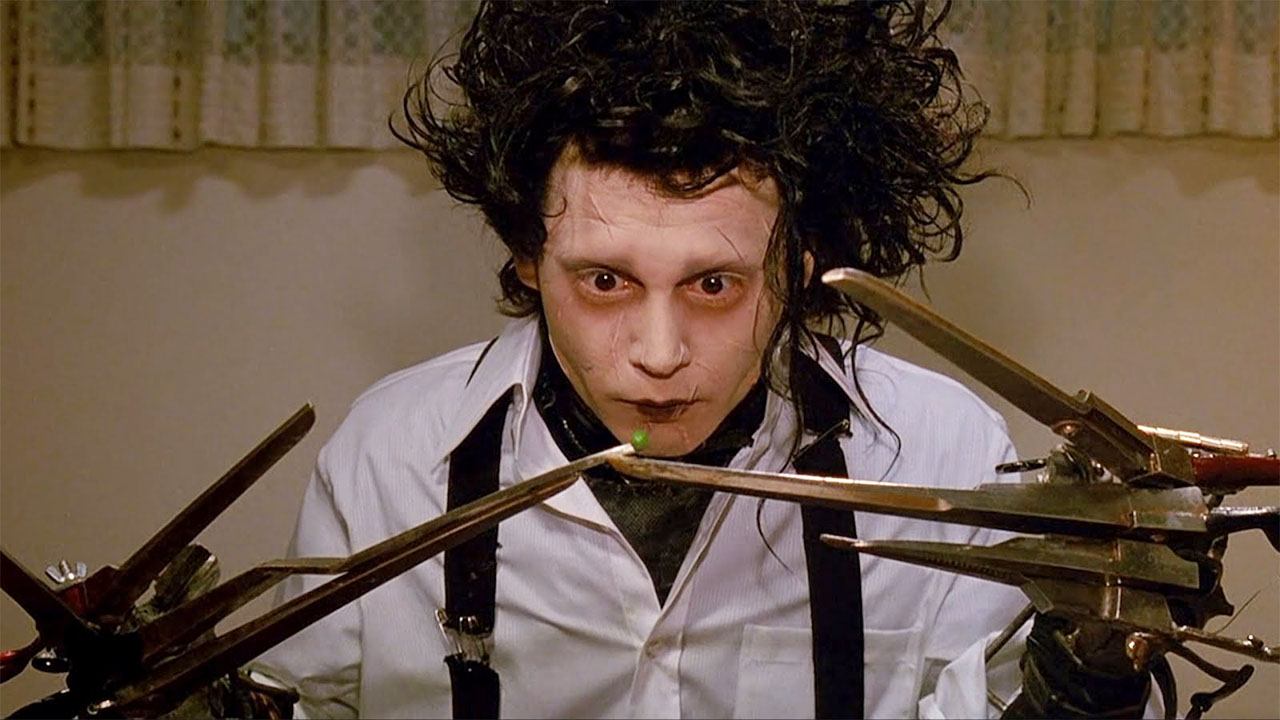
The story follows Edward (played by Johnny Depp), an unfinished artificial man with scissors for hands, who is discovered living alone in a gothic castle before being brought into the pastel-colored world of suburban America.
What follows is a hauntingly beautiful clash between innocence and conformity. Burton paints suburbia as both whimsical and cruel — a place that welcomes Edward’s novelty before turning on him the moment he stops fitting in. Depp’s portrayal of Edward is mesmerizing: fragile, childlike, and heartbreaking. Without saying much, he communicates more emotion than most actors do in entire monologues.
Was It Nominated?
Only one nod — Best Makeup, for the extraordinary work of Stan Winston and his team. Beyond that, the Academy seemed to miss the film’s magic entirely. No recognition for Burton’s visionary direction, Danny Elfman’s haunting score, or Depp’s transformative performance.
What It Should’ve Won:
At the very least, Best Makeup should have gone to Edward Scissorhands. The craftsmanship and character design were revolutionary, far surpassing the stylized world of Dick Tracy.
But the biggest injustice? Johnny Depp. His tender, ethereal performance deserved Best Actor over Jeremy Irons’s turn in Reversal of Fortune.
Edward Scissorhands isn’t just a movie — it’s a melancholy dream about what it means to be different in a world obsessed with normal.
It’s strange, sincere, and timeless — the kind of film that leaves a scar, in the most beautiful way possible.
6. Tokyo Story (1953)
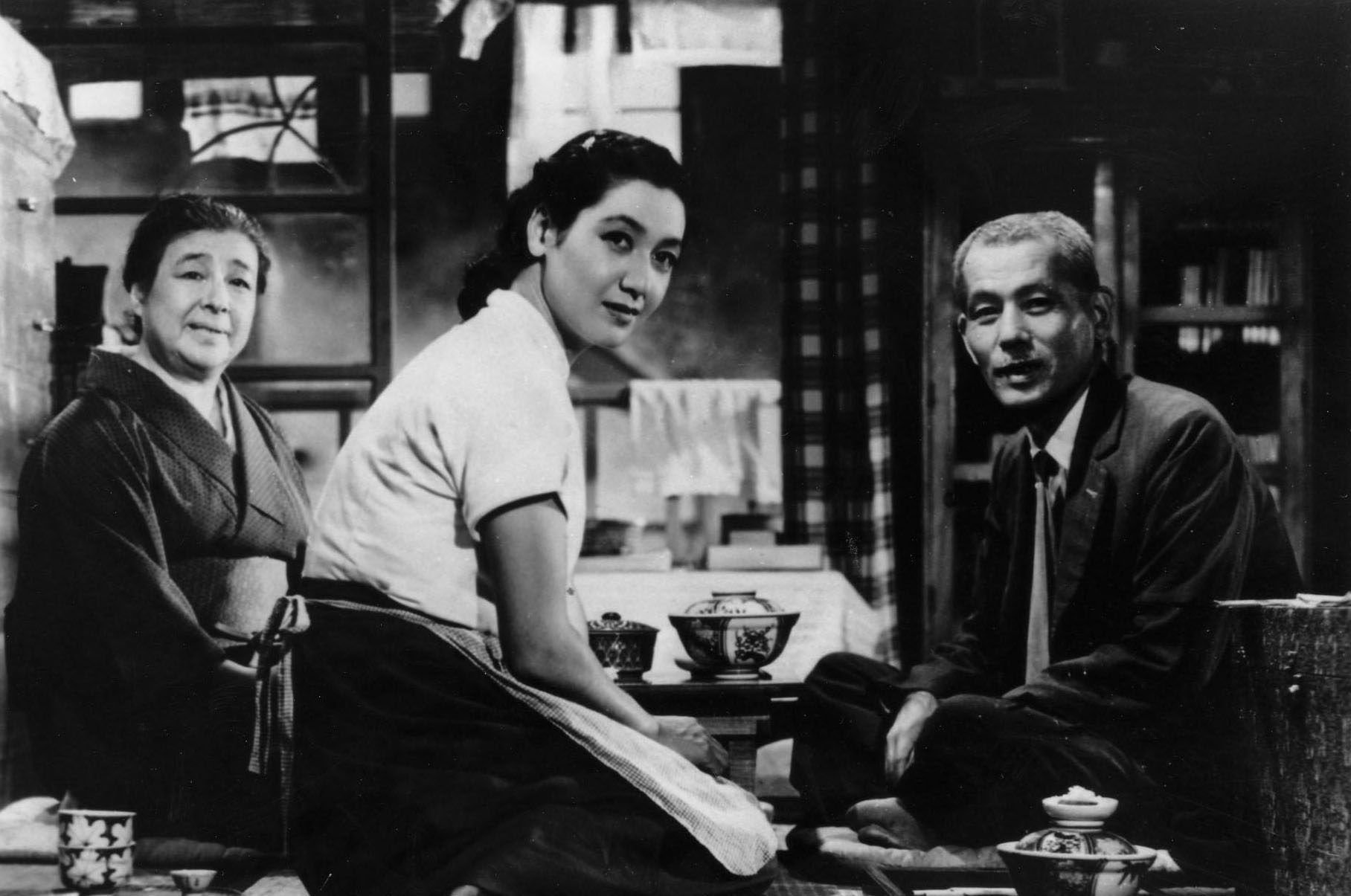
The Movie:
Tokyo Story is Yasujirō Ozu’s quiet masterpiece — a tender portrait of aging, family, and the passage of time. The film follows an elderly couple who travel from their small coastal town to visit their grown children in Tokyo, only to discover how much life — and love — has drifted apart.
Ozu captures the melancholy of everyday existence with remarkable grace, transforming ordinary domestic moments into pure poetry. Every shot feels deliberate, every silence meaningful.
Was It Nominated?
Astonishingly, Tokyo Story wasn’t nominated for a single Academy Award. Released in Japan in 1953 (not 1993), it arrived in an era when the Oscars barely acknowledged non-English films.
The Best Foreign Language Film category wasn’t even formally competitive that year — and when it was later introduced, Tokyo Story had already slipped through Hollywood’s narrow lens.
What It Should’ve Won:
Quite simply, Best Picture and Best Director. Ozu’s craftsmanship — his low camera angles, measured pacing, and deep empathy for human imperfection — set a new standard for cinematic storytelling.
While the Academy overlooked him, filmmakers like Steven Spielberg, Martin Scorsese, and George Lucas would later hail Tokyo Story as one of the most influential films ever made.
Tokyo Story is more than a movie; it’s a mirror — reflecting the quiet heartbreak of distance between generations and the bittersweet beauty of life itself.
