
5. Drive (2011)
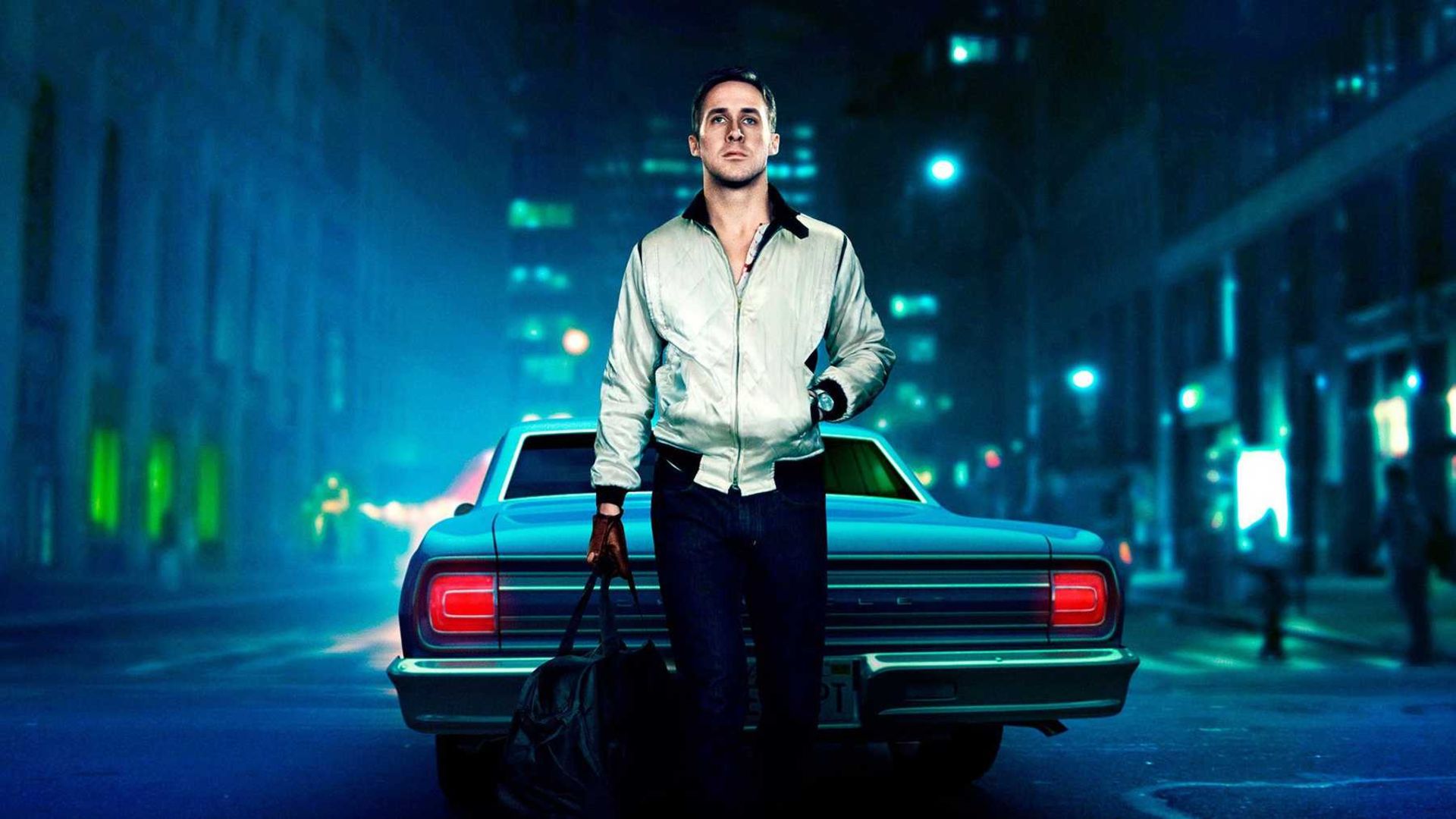
The Movie:
Nicolas Winding Refn’s neon-drenched crime thriller Drive is a modern cult classic — a stylish, slow-burn descent into Los Angeles’ criminal underworld.
Ryan Gosling plays a nameless stunt driver who moonlights as a getaway man, caught between tenderness and violence when he tries to help his vulnerable neighbour, played by Carey Mulligan.
With its ‘80s synth score, cool minimalism, and bursts of shocking brutality, Drive feels like a fever dream soaked in pink neon and blood.
Was It Nominated?
Inexplicably, just one nomination — for Best Sound Editing (Lon Bender and Victor Ray Ennis). That’s it. No nod for Refn’s direction, Gosling’s performance, or Cliff Martinez’s haunting score.
What It Should’ve Won:
The score is pure atmosphere — hypnotic and unforgettable — but Ryan Gosling should have been a serious contender for Best Actor.
With barely a handful of lines, he communicates everything through stillness, glances, and silence. It’s a masterclass in restrained intensity — a performance that speaks louder than any monologue ever could.
4. Fight Club (1999)
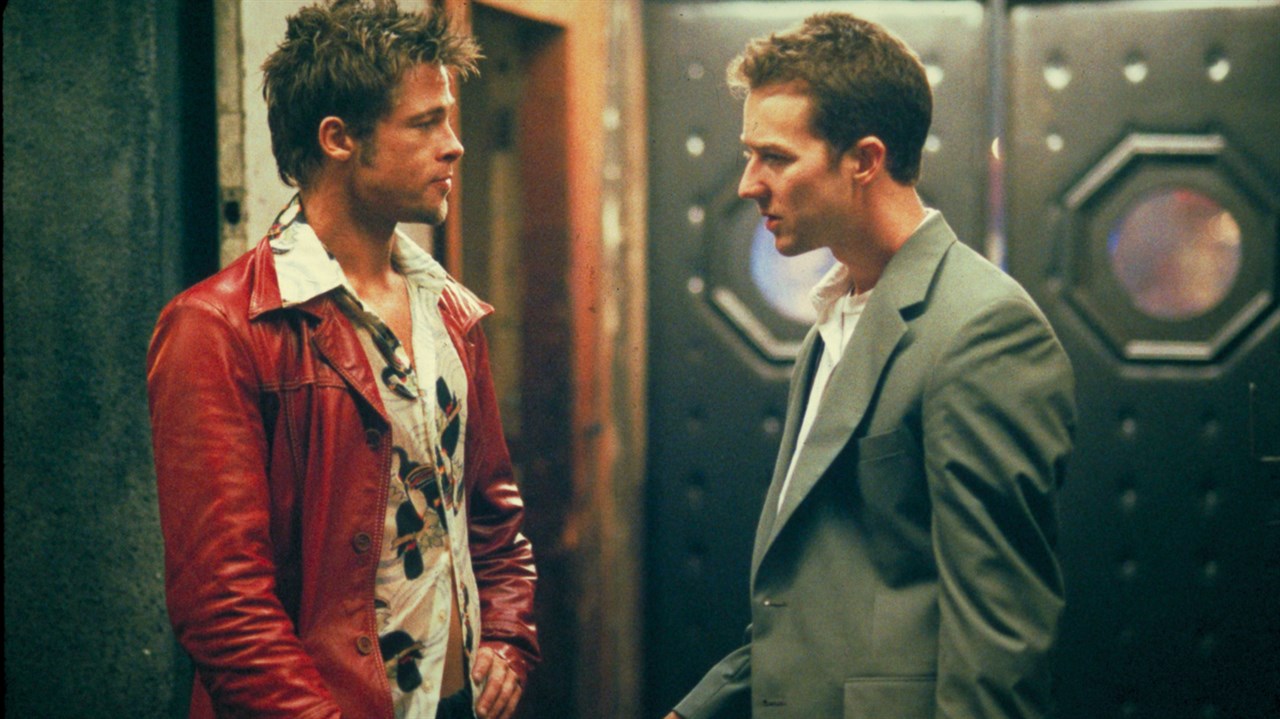
The Movie:
David Fincher’s cult classic Fight Club is a dark, anarchic dive into masculinity, consumerism, and self-destruction.
Edward Norton stars as the disillusioned Narrator whose life spirals out of control after meeting soap salesman and chaos enthusiast Tyler Durden (Brad Pitt). Together, they form an underground fight club that becomes something far more dangerous — and far more philosophical.
Was It Nominated?
Shockingly, Fight Club managed just one nomination — for Best Sound Effects Editing. A real gut punch considering the powerhouse performances and technical brilliance throughout.
What It Should’ve Won:
Both Norton and Pitt deliver career-defining performances, but Helena Bonham Carter’s haunting, sardonic turn as Marla Singer deserved Best Supporting Actress.
Add to that Jeff Cronenweth’s moody, razor-sharp cinematography — it’s clear Fight Club should have picked up more than just bruises.
3. The Shawshank Redemption (1994)
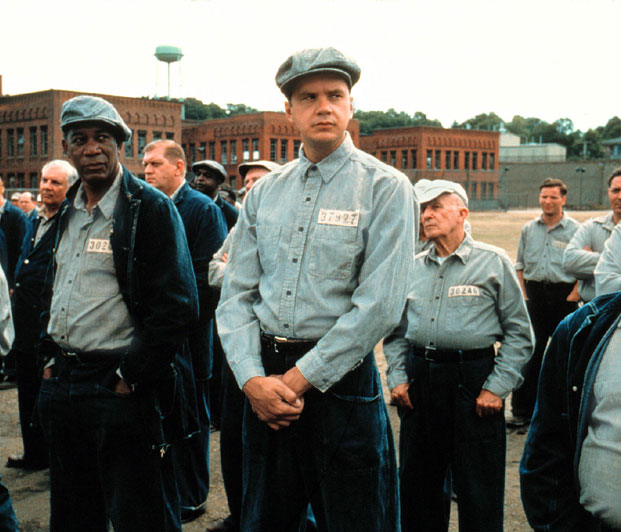
The Movie:
Adapted from Stephen King’s novella Rita Hayworth and Shawshank Redemption, this timeless classic follows banker Andy Dufresne (Tim Robbins), who is wrongly imprisoned for murder.
Inside the grim walls of Shawshank Prison, he forms an unlikely friendship with Red (Morgan Freeman) — and quietly begins plotting his escape.
Was It Nominated?
Yes — despite a lukewarm box-office run, The Shawshank Redemption earned seven Oscar nominations, including Best Picture, Best Cinematography, and Best Adapted Screenplay.
Yet, it walked away empty-handed, losing mostly to Forrest Gump.
What It Should’ve Won:
Either Best Picture or Best Adapted Screenplay — both would have been fitting tributes to this masterpiece.
And if there were any justice, Morgan Freeman would have also taken home Best Actor for his soulful, career-defining performance as Red.
2. The Big Lebowski (1998)
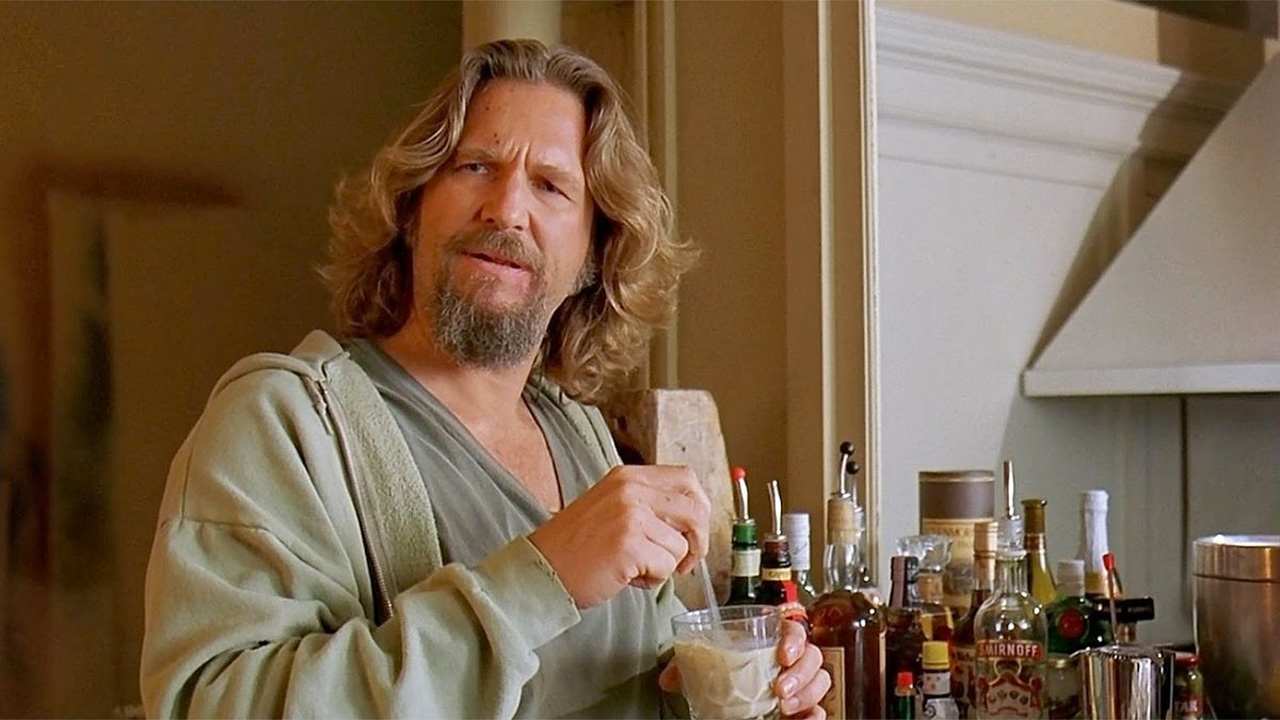
The Movie:
In The Big Lebowski, Jeff Bridges delivers one of his most iconic performances as “The Dude” Lebowski — a laid-back slacker who becomes entangled in a bizarre case of mistaken identity.
After a couple of goons ruin his rug (“it really tied the room together”), The Dude is pulled into a chaotic web of ransom demands, nihilists, and bowling alleys — all set to the Coen brothers’ unmistakable blend of absurdity and brilliance.
Was It Nominated?
Surprisingly, no. The Big Lebowski received zero Oscar nominations, though it did earn a Berlin Golden Bear nod. Hard to believe now, given how it has become one of the most quoted and beloved cult classics in modern cinema.
What It Should’ve Won:
Jeff Bridges absolutely should have taken home Best Actor for his effortlessly cool, endlessly quotable turn as The Dude.
And John Goodman’s explosive performance as Walter Sobchak — equal parts hilarious and terrifying — deserved Best Supporting Actor recognition. The Academy may have missed it then, but fans know this film abides.
1. The Terminator (1984)
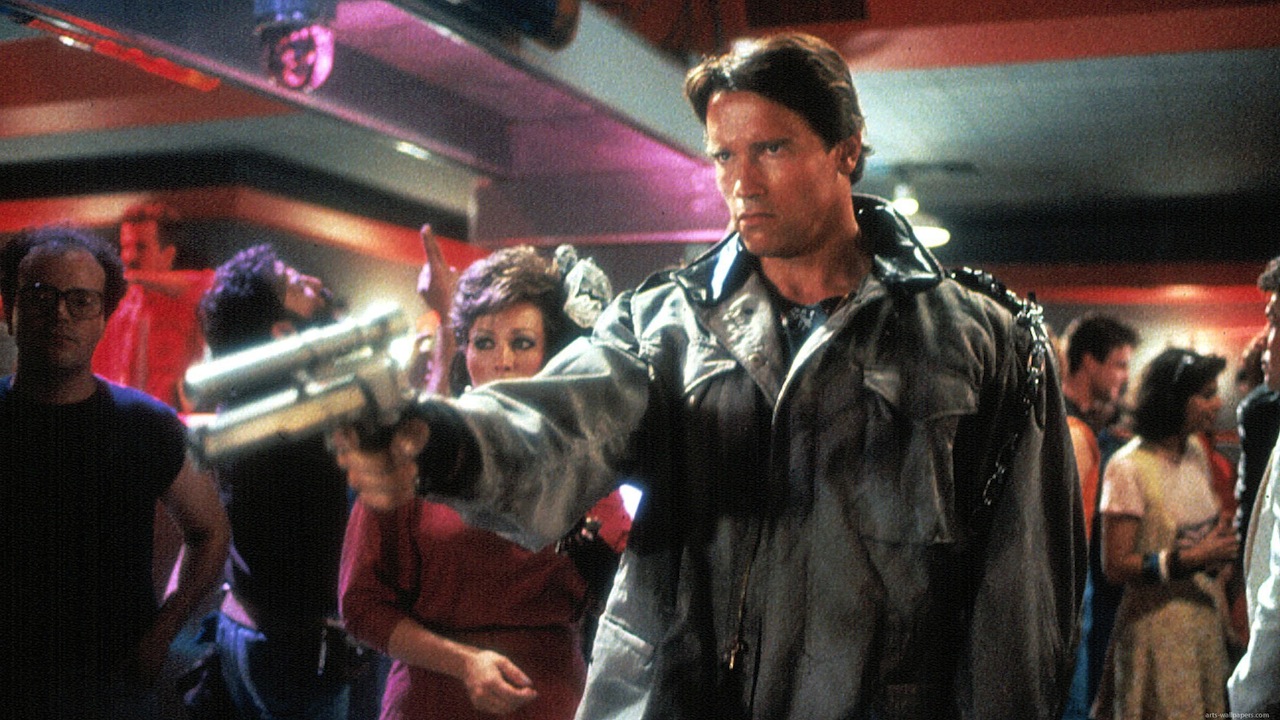
The Movie:
In The Terminator, James Cameron crafts a pulse-pounding sci-fi thriller that redefined the genre.
Arnold Schwarzenegger stars as the relentless cyborg assassin sent back in time to kill Sarah Connor (Linda Hamilton) — the woman whose unborn son will one day lead the human resistance.
What begins as a lean, low-budget action film quickly becomes a masterclass in tension, world-building, and visionary storytelling.
Was It Nominated?
Amazingly, not a single Oscar nomination. No love for the groundbreaking visual effects, the tight direction, or the genre-defining performances.
It’s one of the Academy’s most baffling oversights — especially for a film that went on to shape the future of sci-fi cinema.
What It Should’ve Won:
At the very least, Best Special Effects — Cameron’s use of practical and visual effects was revolutionary for its time. But beyond the visuals, his razor-sharp screenplay deserved recognition, too.
The “unstoppable machine meets fragile humanity” concept became a storytelling blueprint for decades to come.
Conclusion: The Oscars May Miss, But Greatness Endures
The Academy Awards may be cinema’s most prestigious night, but history has shown that even the golden statuette doesn’t always find its way to the most deserving hands. Time and again, visionary filmmakers, unforgettable performances, and groundbreaking stories have been overlooked — only to grow into cultural milestones long after the applause faded.
From The Terminator’s revolutionary sci-fi vision to It’s a Wonderful Life’s eternal heart, these so-called “snubbed” films remind us that true art doesn’t need validation. Awards are fleeting — legacy isn’t.
Decades later, these movies continue to inspire filmmakers, fuel conversations, and define genres. They outlived their Oscar losses to become what every artist truly dreams of creating — cinema that lasts forever.
