
Movies have a magical way of shaping our emotions and outlook on life. They can make us laugh uncontrollably, cry our hearts out, or leave us feeling inspired long after the credits roll.
Some movies come and go, but a few special ones stay with us forever — they touch our souls, change our perspectives, and become part of who we are.
In this post, we’re diving into those unforgettable films — the ones that didn’t necessarily win big at the
Oscars or sweep every award show, yet managed to win something far more valuable: the love and devotion of millions of fans around the world.
These are the movies that built cult followings, sparked conversations, and became timeless pieces of art despite being overlooked by award juries.
They’re proof that true cinematic greatness doesn’t always need a golden trophy — sometimes, it just needs a powerful story and a passionate audience.
So grab your popcorn, settle in, and let’s kick off this cinematic journey with number one on the list…
30: Don’t Look Now (1973)
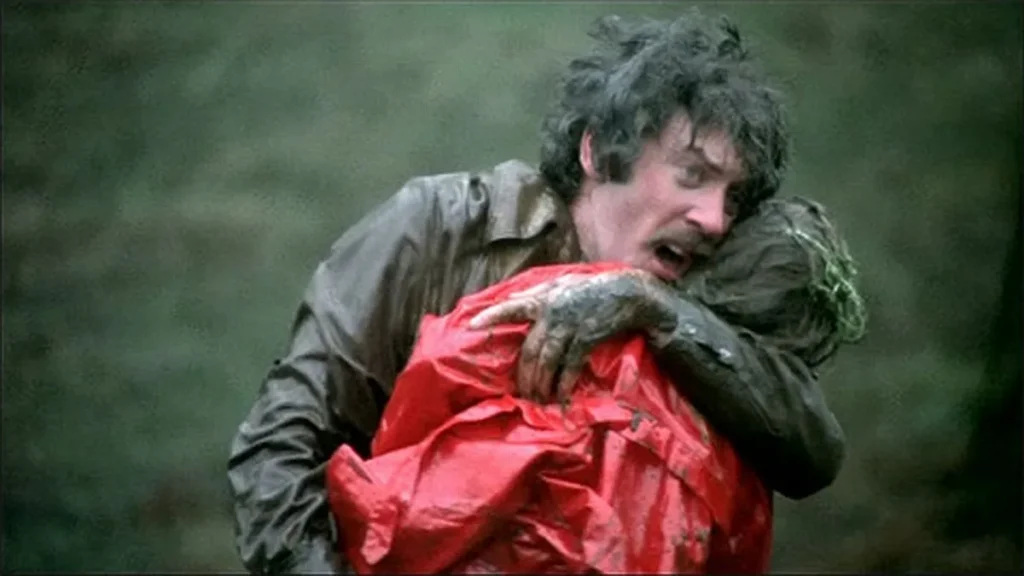
The Movie:
Nicolas Roeg’s Don’t Look Now is not just a horror film — it’s a haunting emotional masterpiece that grips you long after the screen fades to black.
The story follows a grief-stricken couple, played by the brilliant Julie Christie and Donald Sutherland, who travel to the misty canals of Venice in a desperate attempt to heal after the tragic loss of their young daughter.
But their peaceful escape soon turns into something far darker when they encounter two mysterious sisters who claim that their late daughter is trying to reach out to them from beyond the grave.
What begins as sorrow soon descends into an unsettling spiral of visions, warnings, and dread — all unfolding against the eerie, labyrinthine beauty of Venice.
Was It Nominated?
Shockingly… no. Not a single nomination. Despite its artistry, emotional depth, and psychological tension, Don’t Look Now was completely ignored by the Academy.
Upon release, critics gave it polite nods but not the roaring applause it deserved.
Only years later did audiences and filmmakers alike recognize it for what it truly is — a genre-defining classic that redefined psychological horror forever.
What It Should’ve Won:
Let’s be honest — Don’t Look Now could’ve easily swept the Oscars for Best Picture, Best Actress (Julie Christie), and Best Actor (Donald Sutherland).
But the most heartbreaking snub was Best Director. Nicolas Roeg’s ability to blend grief, suspense, and surreal imagery into a hypnotic experience was pure genius.
His mastery in building tension through fragmented editing and haunting visuals set a new standard for horror storytelling — one that countless filmmakers have been chasing ever since.
29. Rebel Without a Cause (1955)
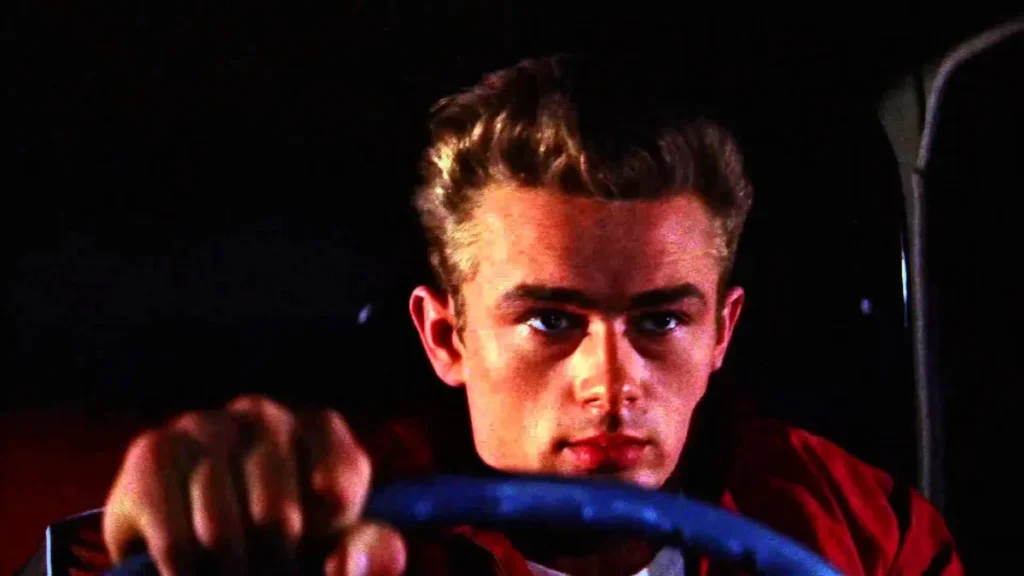
The Movie:
In Rebel Without a Cause, James Dean delivers one of the most unforgettable performances in film history as Jim Stark — a young man burdened with confusion, anger, and the aching desire to find his place in a world that doesn’t seem to understand him.
After moving to a new town, Jim hopes for a fresh start, but trouble finds him almost instantly. Between clashing with local bullies, navigating a strained relationship with his parents, and yearning for genuine connection, he becomes the face of every teenager who has ever felt lost or misunderstood.
The film captures the restless spirit of youth in a way that still feels raw and real, even decades later.
Was It Nominated?
Rebel Without a Cause did receive three Oscar nominations — for Best Supporting Actor, Best Supporting Actress, and Best Writing — but shockingly, not for James Dean himself. Instead, Dean was nominated for East of Eden, a role for which he posthumously received immense acclaim.
It’s a bittersweet reminder of how short-lived his career was and how much more he could have achieved had fate not intervened so early.
What It Should’ve Won:
While Dean’s performance in East of Eden was powerful, Rebel Without a Cause is the one that truly defined him — and, in many ways, an entire generation.
His portrayal of Jim Stark wasn’t just acting; it was raw emotion captured on film. He embodied teenage rebellion, vulnerability, and defiance with such honesty that it became an enduring cultural symbol. The Academy might have overlooked him then, but history hasn’t.
Today, Rebel Without a Cause stands as both a cinematic landmark and a timeless tribute to James Dean’s short yet legendary legacy.
28. King Kong (1933)
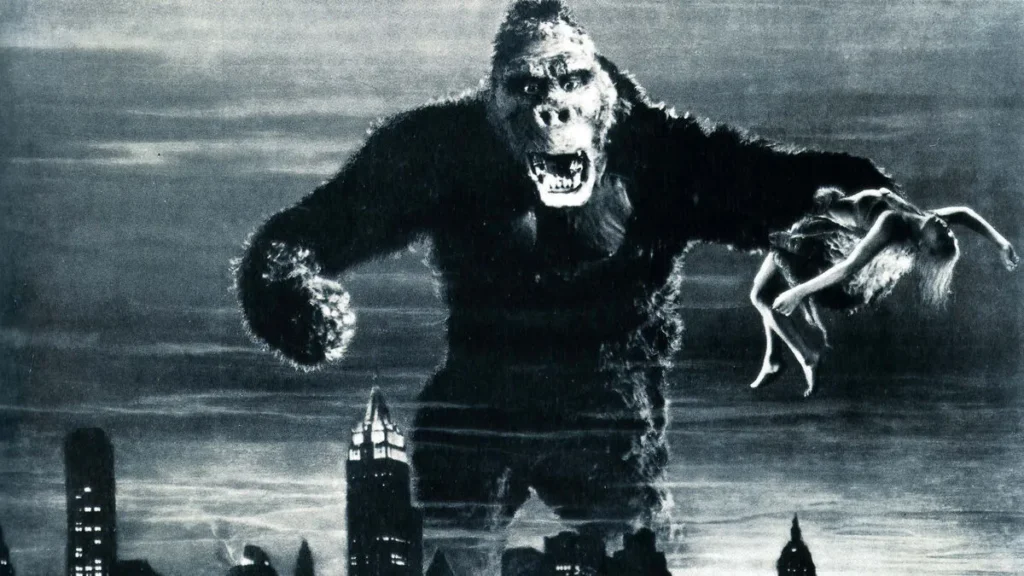
The Movie:
The original King Kong (1933) isn’t just a monster movie — it’s a landmark in cinematic history. The film tells the story of a mighty creature torn from his jungle home and brought to New York, where he becomes both a spectacle and a tragedy.
The moment Kong lays his giant eyes on Ann Darrow, the terrified yet compassionate actress he captures, the cinema changed forever.
Even with its black-and-white visuals and early special effects, King Kong managed to stir emotions in ways few films of its time could. It wasn’t just thrilling — it was heartbreakingly human beneath all the roars and chaos.
Was It Nominated?
Sadly, not at all. Back in the 1930s, monster movies weren’t given much artistic respect. Despite its revolutionary use of stop-motion animation and its emotional depth, King Kong didn’t receive a single Oscar nomination.
Audiences were amazed, but critics and the Academy dismissed it as mere spectacle — unaware they were witnessing the birth of a legend.
What It Should’ve Won:
Let’s be honest — King Kong deserved Best Picture. Its technical innovation, storytelling power, and cultural impact easily outshone the actual Best Picture winner of that year, Cavalcade, which has since faded into obscurity.
Nearly a century later, King Kong still captures imaginations, inspires filmmakers, and makes viewers feel sympathy for a creature that was never truly a monster.
It remains one of the greatest examples of how pure emotion and groundbreaking creativity can outlive any golden statue.
27. American Psycho (2000)
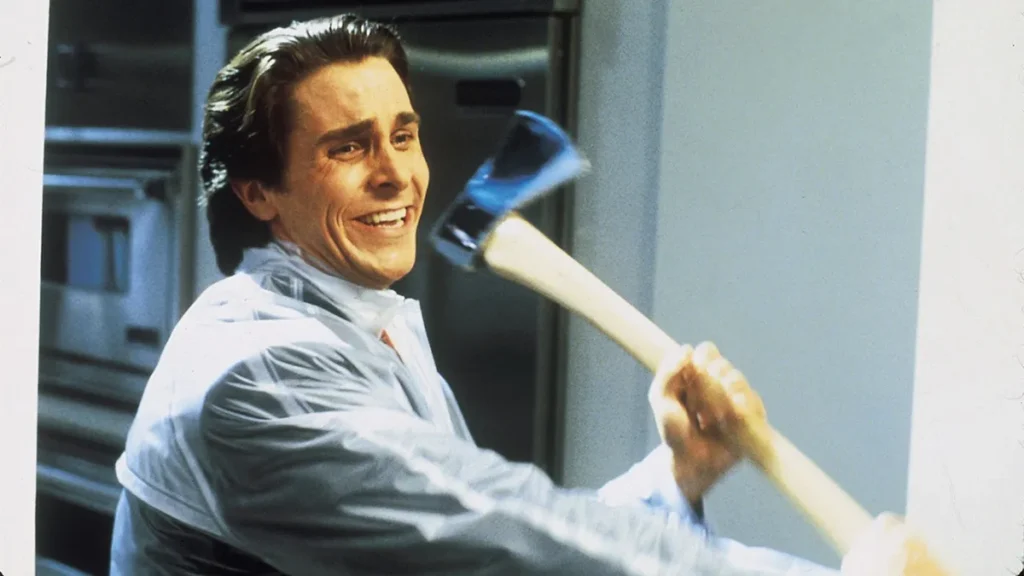
The Movie:
In American Psycho, Christian Bale delivers one of the most chilling and mesmerizing performances of his career as Patrick Bateman, a wealthy New York investment banker who hides a dark and violent alter ego beneath his perfect suit and polished smile.
Directed by Mary Harron, this adaptation of Bret Easton Ellis’s controversial novel dives deep into the twisted psychology of excess, vanity, and moral decay in the 1980s.
From his obsession with designer brands to his eerie morning routine, Bale’s Bateman is both horrifying and hypnotic — a character so disturbingly real that he became a pop culture icon.
The film skillfully balances psychological horror with biting satire, leaving viewers both disturbed and fascinated by its brilliance.
Was It Nominated?
Not even close. Despite its sharp direction, unforgettable performance, and cultural influence, American Psycho was completely overlooked by the Academy. At the time, many dismissed it as too violent, too strange, or too uncomfortable to celebrate — but over the years, it has gained cult status and is now regarded as one of the most daring films of its era.
What It Should’ve Won:
If there was ever a year to award Best Actor, this was it. Christian Bale’s performance as Patrick Bateman is pure mastery — terrifyingly intense, darkly comedic, and disturbingly controlled.
He made audiences question whether they were laughing at the satire or shivering at the truth.
American Psycho might not have taken home any trophies, but its legacy speaks louder than any award.
Bale’s performance remains one of the boldest character studies ever put on screen — a haunting reminder of how easily charm can disguise madness.
26. Rear Window (1954)
The Movie:
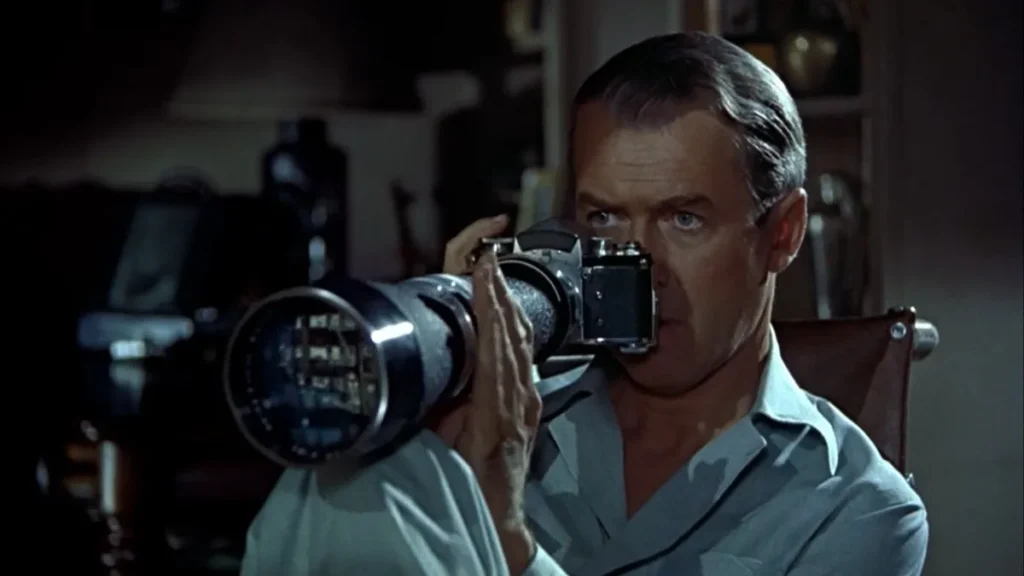
In Alfred Hitchcock’s Rear Window, the legendary James Stewart stars as Jeff, a photographer confined to his apartment after breaking his leg.
With nothing but time on his hands and a camera by his side, Jeff begins to observe the lives of his neighbours through his rear window — a harmless pastime at first. But curiosity turns to dread when he suspects that one of them might have committed a murder.
What follows is a masterclass in tension and suspense. Hitchcock transforms a single room and a few windows into an entire world of intrigue, fear, and paranoia.
Every glance, every shadow, every sound feels loaded with meaning — and Stewart’s performance anchors it all with quiet intensity.
Was It Nominated?
Yes, but not enough. Rear Window earned several nominations, including one for Best Director, giving Hitchcock yet another near miss at the Academy Awards.
Despite being one of cinema’s greatest storytellers, he somehow never won the golden statue for directing. Still, Rear Window came close to giving him the recognition he always deserved.
What It Should’ve Won:
Without question, Hitchcock should have won Best Director. His ability to create gripping suspense from a single location remains unmatched to this day.
But James Stewart also deserved far more praise than he received. Acting primarily from a wheelchair, he manages to convey fear, curiosity, and moral conflict with remarkable depth — proving that true power in acting doesn’t come from movement, but from emotion.
Decades later, Rear Window is still studied, celebrated, and endlessly rewatched — a timeless reminder of Hitchcock’s genius and Stewart’s subtle brilliance.

